Quick Case Facts
| Case Detail | Information |
|---|---|
| Case Name | State of Texas vs. David Allan Hernandez |
| Case Number | 2024 CR 9659 |
| Judge | Stephanie Boyd |
| Defendant | David Allan Hernandez |
| Age | 40 |
| Charges | Possession of a Controlled Substance (Penalty Group 1, 1–4 grams) |
| Legal Category | Third-Degree Felony (Texas Law) |
| Maximum Penalty | 2–10 years imprisonment + up to $10,000 fine |
| Sentence Outcome | 10 years probated sentence |
| Fine | $2,000 |
| Community Service | 200 hours |
Introduction
In many criminal cases, a judge simply delivers a sentence and the story ends there. But sometimes a courtroom becomes the place where a life begins to change.
That is exactly what happened in State of Texas vs. David Allan Hernandez, a case that highlights the complex relationship between addiction, the justice system, and the power of second chances.
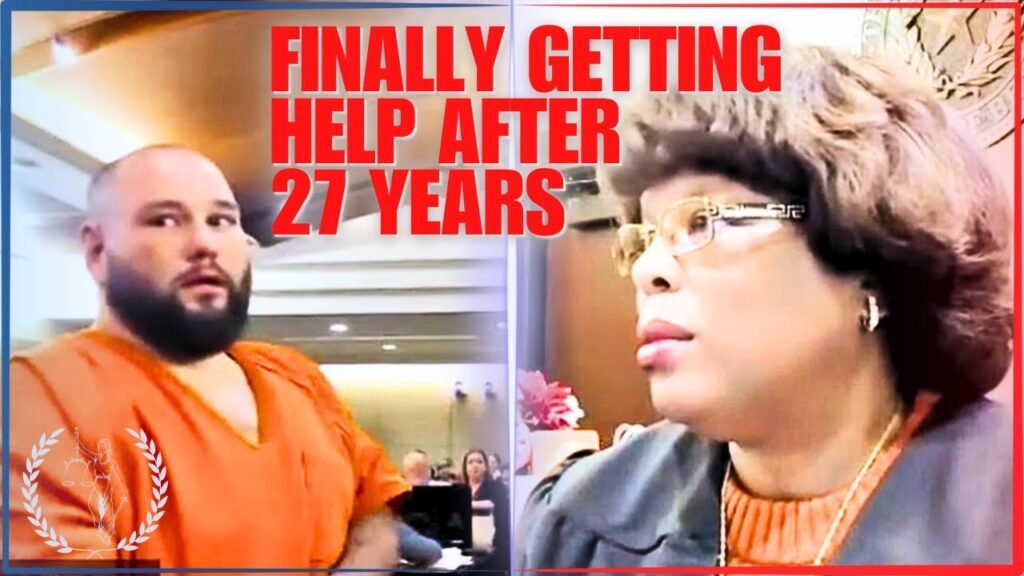
David Hernandez, a 40-year-old defendant, admitted in court that he had been struggling with drug addiction since the age of 13. For nearly 27 years, addiction shaped his life.
Instead of seeing only a criminal record, Judge Stephanie Boyd saw a human story — and an opportunity for rehabilitation.
This case has become a powerful example of how modern courts can balance accountability with compassion.
The Charges Against David Hernandez
David Hernandez faced a serious criminal charge under Texas law.
He was accused of Possession of a Controlled Substance (Penalty Group 1) in an amount between 1 and 4 grams, which is classified as a third-degree felony.
Under Texas criminal statutes, this offense carries:
- 2 to 10 years in prison
- Up to $10,000 in fines
Because Hernandez pleaded guilty, the case moved directly into the sentencing phase.
At this stage, the court had to decide whether Hernandez should serve time in prison or receive another form of supervision.
The Backstory | Addiction That Began at Age 13
During the court hearing, Hernandez shared a deeply personal truth.
He explained that he had been addicted to drugs since he was just 13 years old.
That means more than half of his life had been affected by substance abuse.
What made the moment even more powerful was his statement that he had asked for help during a previous arrest but felt ignored by the system.
This raised an uncomfortable question often discussed in criminal justice reform:
When addiction begins in childhood, is the system responding early enough?
Many experts argue that addiction cases often fall into a cycle:
- Arrest
- Release
- Relapse
- Another arrest
Without treatment or intervention, the cycle repeats for years.
For Hernandez, that cycle lasted almost three decades.
The Plea Agreement and Sentence
After negotiations between the prosecution and defense, the court approved a plea agreement.
The terms included:
Sentence
- 10 years imprisonment
- However, the sentence was probated
A probated sentence means Hernandez does not go to prison immediately, as long as he follows the conditions set by the court.
Financial Penalty
- $2,000 fine
Community Service
- 200 hours of community service
This structure allowed the court to maintain accountability while still creating space for rehabilitation.
Judge Stephanie Boyd’s Unique Approach
What made this case stand out was the way Judge Boyd approached the sentencing.
Rather than focusing solely on punishment, she emphasized rehabilitation and personal development.
This approach reflects a growing legal philosophy known as therapeutic justice.
Therapeutic justice recognizes that some crimes—particularly those linked to addiction—require treatment and long-term support rather than punishment alone.
Judge Boyd implemented several conditions aimed at helping Hernandez rebuild his life.
Education and Career Opportunities
During the hearing, Hernandez revealed a personal dream:
He wanted to become a licensed barber.
Instead of dismissing the idea, Judge Boyd encouraged it.
She ruled that if Hernandez completed either:
- A GED (high school diploma equivalent)or
- A professional barber license
then 100 hours of his community service requirement would be waived.
This decision created a powerful incentive.
Education and employment are two of the strongest predictors of successful recovery from addiction.
By tying legal obligations to personal growth, the court effectively encouraged Hernandez to pursue a stable future.
Rehabilitation Through Recovery Programs
Hernandez also requested to be placed in a recovery program called Lifetime Recovery.
Judge Boyd approved this request.
Substance abuse recovery programs are often essential in preventing relapse. They provide structured therapy, support systems, and accountability.
For someone who has struggled with addiction for decades, treatment is often the only path toward lasting change.
Court-Ordered Evaluations
The judge also ordered two important evaluations:
TAP Evaluation
This assessment determines the level of substance abuse treatment needed.
Gang Evaluation
This review ensures the defendant is not connected to criminal groups that could increase the risk of future offenses.
These evaluations show that the court was not only addressing the immediate crime but also the environmental factors that contribute to relapse.
“Communication Is Key” | The Judge’s Final Message
Before concluding the hearing, Judge Boyd gave Hernandez one simple but powerful piece of advice:
“Communication is key.”
She encouraged him to reach out to the court or probation officers if he faced difficulties.
This statement reflects an important truth about probation cases.
Many probation violations happen not because individuals refuse to change, but because they:
- miss appointments
- fail to report problems
- hide relapses out of fear
By emphasizing communication, the judge signaled that the system was willing to work with him rather than against him.
A Case That Reflects a Larger Issue
The Hernandez case highlights a broader debate within criminal justice.
Should addiction be treated primarily as a crime, or as a public health issue?
Traditional systems focused heavily on punishment.
But modern criminal justice reform increasingly emphasizes:
- treatment programs
- recovery support
- education
- job training
The reasoning is simple.
When addiction is treated effectively, crime rates often decrease as well.
The Power of a Second Chance
For David Hernandez, the court hearing represented something he had not experienced in many years: hope.
At age 40, after decades of addiction, he was given a structured opportunity to rebuild his life.
His goal of becoming a barber may seem small to some.
But for someone who has spent most of their life struggling with addiction, it represents something powerful:
a future that looks different from the past.
Final Thoughts
The case of State of Texas vs. David Allan Hernandez demonstrates that justice can be both firm and compassionate.
Judge Stephanie Boyd did not ignore the crime. The court imposed a serious sentence, fines, and strict conditions.
But at the same time, the court recognized that addiction is a complex issue that requires more than punishment.
By encouraging education, supporting recovery treatment, and emphasizing communication, the judge gave Hernandez something many people in the criminal justice system never receive:
a real chance to change.
Sometimes the most powerful moment in a courtroom is not when a sentence is announced.
It is when someone finally decides to start over.
Author
Legal Court Reporter & Justice System Writer
The author covers courtroom cases, criminal justice reform, and real-world legal stories to help readers understand how modern courts balance law, accountability, and rehabilitation.