Introduction
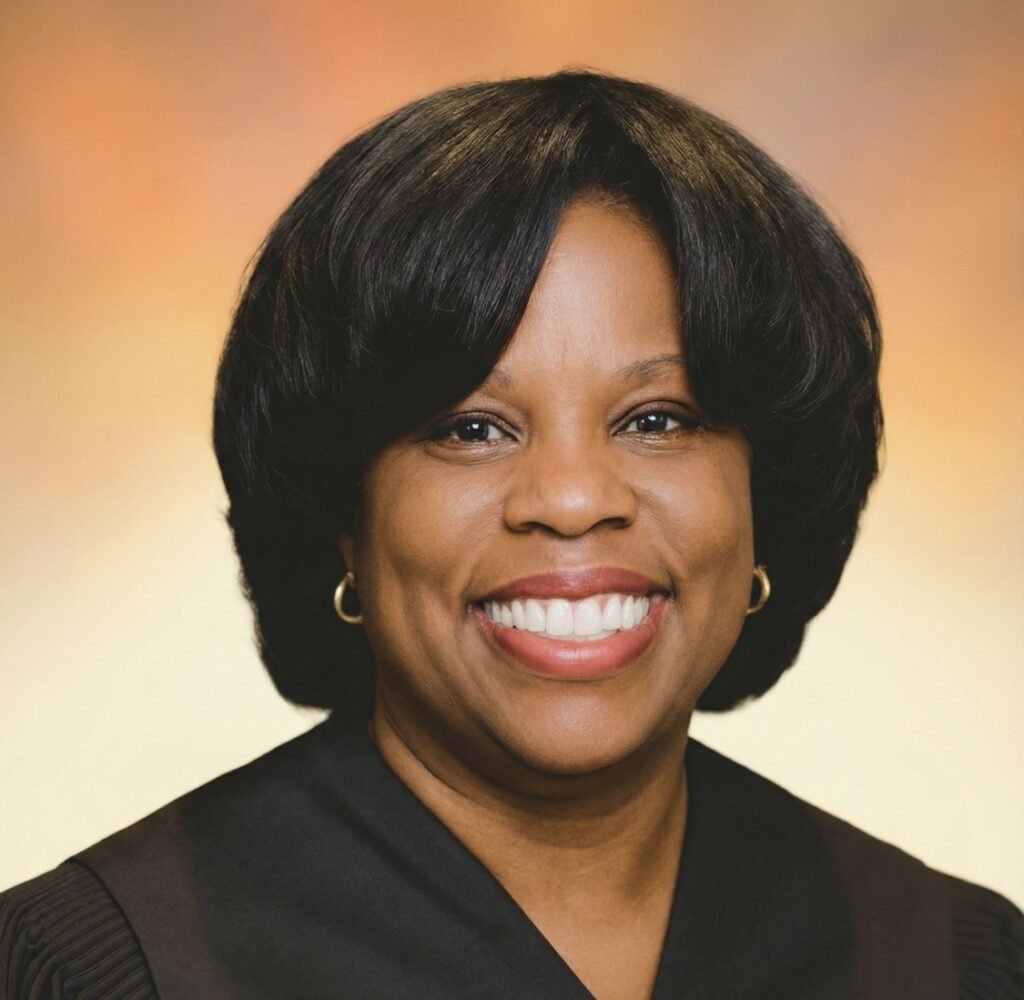
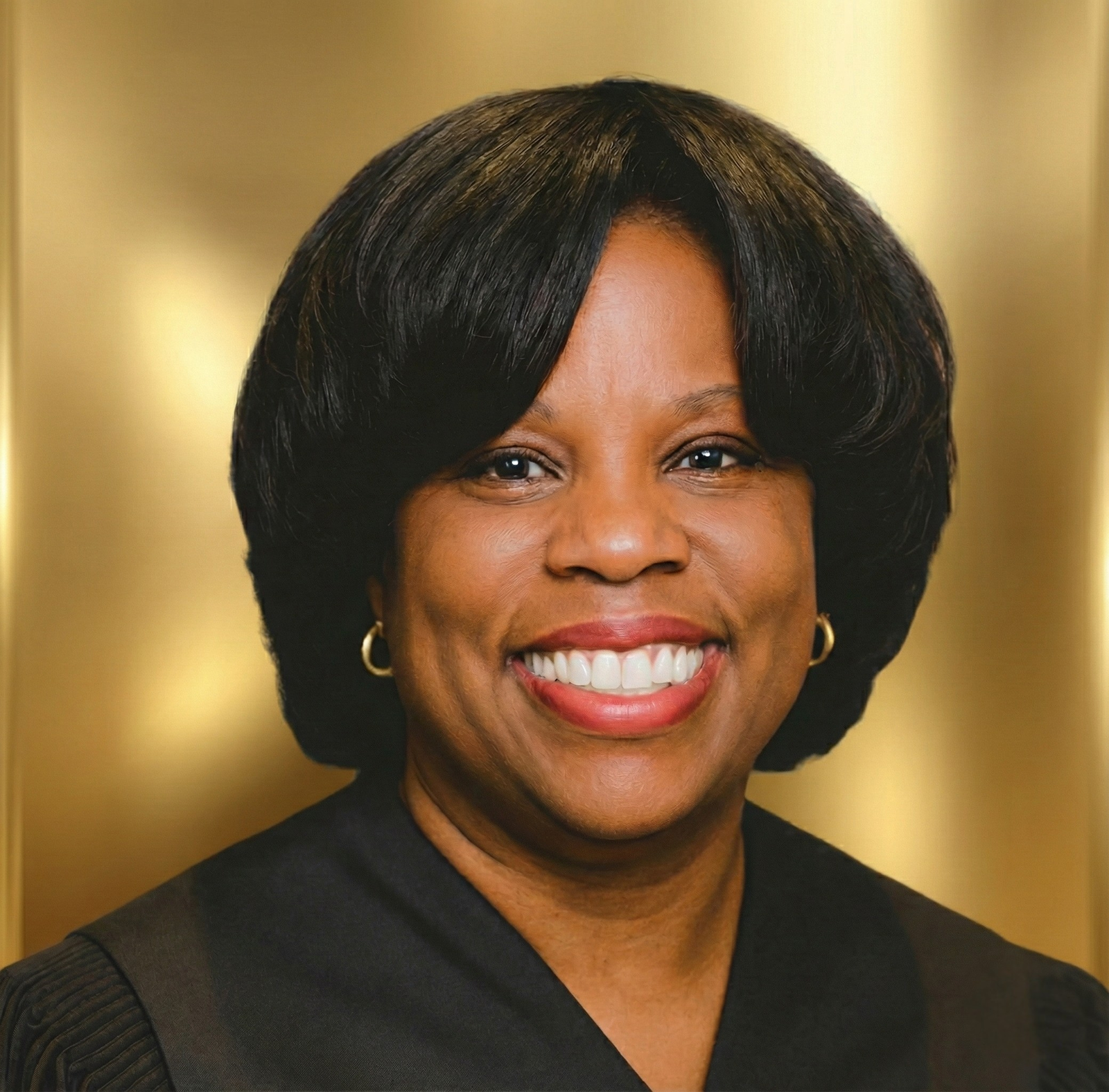
Stephanie R. Boyd has spent the better part of the last decade as one of the most recognizable judges in Bexar County, Texas — not only for the felony cases that pass through her courtroom, but for the unusual way the public gets to watch them. As presiding judge of the 187th Criminal District Court in San Antonio, Boyd built a public profile around livestreaming her proceedings on YouTube, a practice that drew both a loyal online following and, eventually, formal scrutiny from Texas’s judicial oversight body.
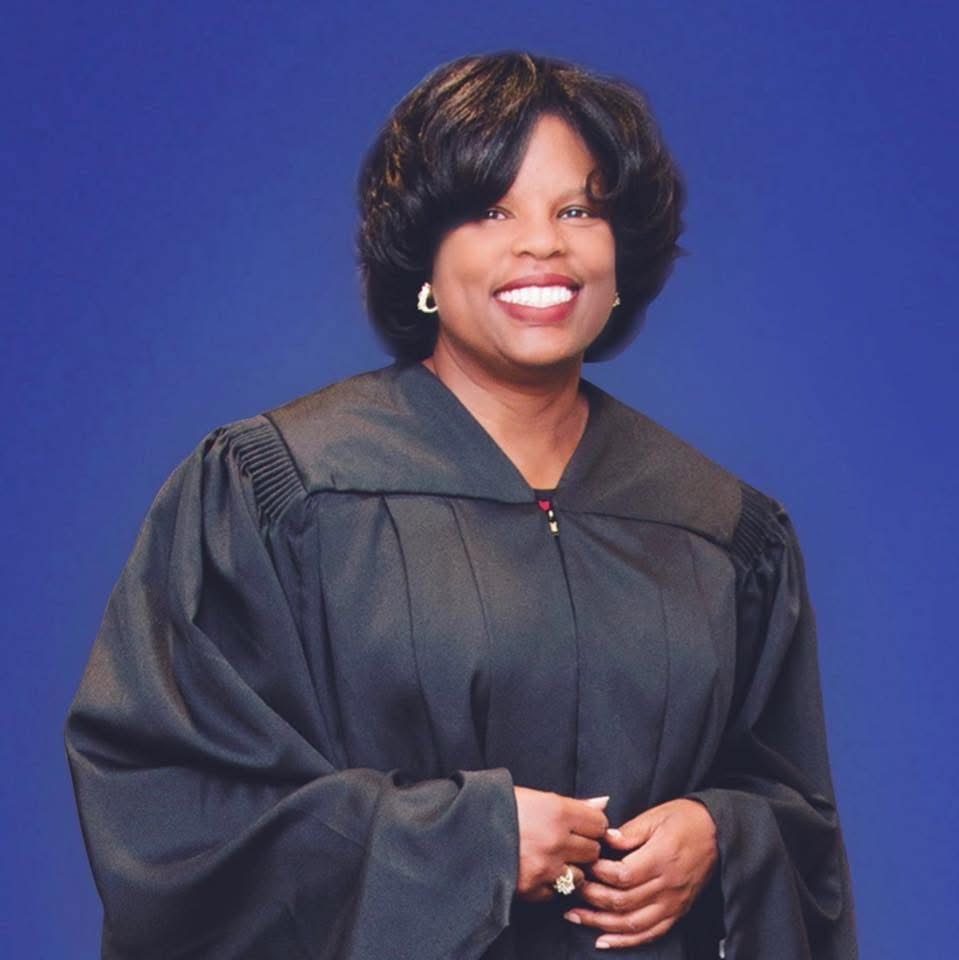
Boyd made history in 2018 as the first African American and the first woman to hold the 187th District Court bench. Her tenure has been defined by two competing storylines: a legal career built on prosecuting cases involving child abuse and domestic violence, and a public-facing courtroom experiment in transparency that ultimately triggered a formal reprimand. This biography lays out both, using only what is documented in verifiable public records, court filings, campaign disclosures, and contemporaneous news coverage.
Quick Facts Table
| Category | Details |
|---|---|
| Full Name | Stephanie R. Boyd |
| Current Position | Presiding Judge, 187th Criminal District Court (term concludes December 31, 2026) |
| Jurisdiction | Bexar County, Texas (San Antonio) |
| Nationality | American |
| Undergraduate Education | Bachelor of Arts, Political Science |
| Graduate Education | Master of Business Administration (MBA) |
| Law School | St. Mary’s University School of Law, San Antonio (J.D., 1997) |
| Years in Legal Practice | Roughly 29 years, spanning private practice, prosecution, and the bench |
| First Elected to Bench | 2018 (took office 2019); re-elected 2022 |
| Known For | Livestreaming courtroom proceedings on YouTube; first African American and first woman judge of the 187th District Court; June 2026 public warning from the Texas State Commission on Judicial Conduct |
Early Life & Legal Education

Judge Boyd was born in Shreveport, Louisiana, and was baptized at New Zion Baptist Church in nearby Grand Cane. According to her own campaign biography, her grandmother and mother emphasized the value of history, hard work, and community from an early age. As a child she held a series of small jobs common to close-knit Southern communities of the era — selling Christmas cards door-to-door at age twelve and cleaning neighbors’ yards during summer months.
Beyond these formative details, publicly available records regarding her broader childhood and family life remain limited, and this article will not speculate beyond what she and verified outlets have documented. Boyd went on to earn a Bachelor of Arts in Political Science, followed by an MBA, before completing her Juris Doctor at St. Mary’s University School of Law in San Antonio in 1997 — a city she has described in campaign interviews as combining big-city opportunity with small-town familiarity.
Career Prior to the Bench
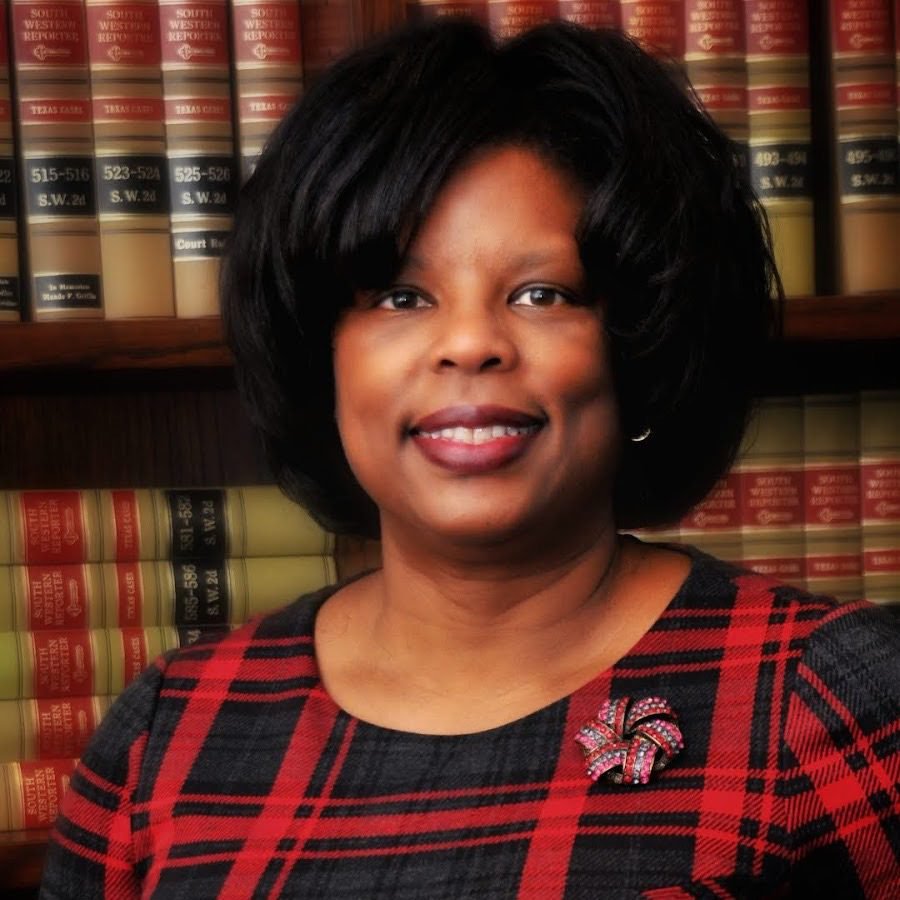
Boyd’s legal career began at the Bexar County District Attorney’s Office, where she worked as an assistant prosecutor after law school. In 1997, she opened a private criminal law practice, representing adults, juveniles, and children, including victims of child abuse and neglect. Over the following years she tried both defense and prosecution cases, and at times handled family law matters carrying criminal implications at the request of civil court judges.
In 2015, Boyd returned to the Bexar County District Attorney’s Office, this time as a first-chair prosecutor in the Special Crimes Unit, a division that handles child abuse and domestic violence cases. That role required sustained trial experience and what her campaign materials describe as a trauma-informed approach to serious offenses — background she has repeatedly cited as central to her judicial philosophy once she reached the bench.
Judicial Journey: The 187th District Court
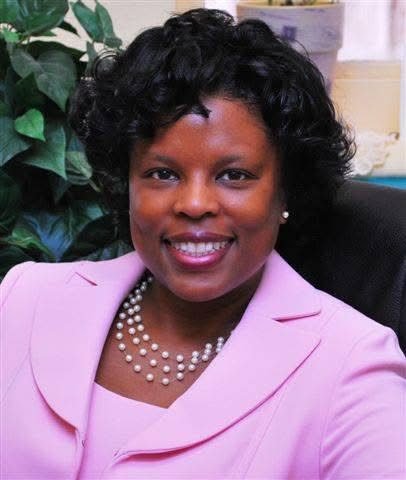
Boyd first ran for the 187th District Court bench in 2014 but lost that general election to incumbent Steve Hilbig. She ran again in 2018, defeating Republican candidate Karl Alexander in the general election after winning her primary outright. Her victory made her the first African American judge — and the first woman — to serve on the 187th District Court, a felony court established in 1969.
She won re-election to a second term in 2022, defeating Walden Shelton in the general election. During her tenure, Boyd has said she prioritized reducing the court’s case backlog while preserving defendants’ right to a speedy trial, and designing probation terms intended to balance community safety with rehabilitation. In addition to her regular docket, she was selected by Judge Ron Rangel to serve as co-presiding judge of the Bexar County Felony Mental Health Court, which focuses on connecting defendants with mental health treatment resources.
Boyd’s time on the bench, however, will end this year. She lost the Democratic primary for a third term on March 3, 2026, to challenger Stephanie Franco, a felony prosecutor who built her campaign in large part around opposition to Boyd’s YouTube courtroom. With no Republican candidate in the race, that primary loss effectively decided the seat. Boyd’s current term concludes December 31, 2026.
Courtroom Style, Livestreaming & Public Perception
Boyd’s most defining public characteristic has been her decision to livestream nearly every hearing in her courtroom on a YouTube channel provided by the Texas Office of Court Administration. She has said the practice began during the COVID-19 pandemic as a way to keep court operations running safely, and that she continued it afterward in the name of transparency, since Texas courtrooms are already legally required to be open to the public.
The livestreams built Boyd a substantial online following and made her one of the more visible district judges in Texas. But the same channel became the basis for a formal judicial conduct investigation. According to the Texas State Commission on Judicial Conduct, Boyd hosted a “book club” through the channel and allowed viewers to post real-time comments about pending proceedings and the people appearing in her courtroom — activity the commission characterized as an improper extrajudicial engagement with the public.
Defense attorneys also raised concerns separate from the disciplinary case. Some pushed for restrictions such as disabling live chat or removing recordings, arguing that open commentary during active proceedings risked identifying or targeting defendants and could taint jury pools; the practice reportedly led to case recusals in some instances.
Notable Cases & Judicial Decisions
Two specific hearings became central to the Texas State Commission on Judicial Conduct’s investigation and its June 3, 2026, public warning against Boyd.
The first involved State of Texas v. Willberth Villamil, a July 2023 plea hearing. After rejecting a plea agreement the parties had submitted and learning that Villamil intended to withdraw his plea, Boyd asked him directly whether he would accept a 20-year prison sentence and characterized the case as “life-sentence worthy” on the record. The commission found this crossed the line into improperly inserting herself into the plea-bargaining process, a function ordinarily reserved for prosecutors and defense counsel.
The second involved State of Texas v. Thomas Henson, an October 2024 probation revocation hearing. After informing Henson he faced 20 years in prison, Boyd directed the court reporter to go “off the record” while the YouTube livestream continued, then made remarks to Henson referencing what could happen to him in prison due to his age and appearance. The commission concluded these comments were not patient, dignified, or courteous, and reflected bias or prejudice toward the defendant, in violation of the Texas Code of Judicial Conduct.
Following its review at an April 8–9, 2026, meeting, the commission publicly warned Boyd for four categories of misconduct: failing to maintain professional competence during the Villamil case, failing to be patient and courteous toward both defendants, exhibiting bias toward Henson, and making public comments through the court’s YouTube channel that suggested her likely rulings in pending matters. The commission determined the conduct was “willful and persistent” and cast “public discredit on the judiciary.” The public warning became final on June 3, 2026. It is a formal, permanent addition to Boyd’s disciplinary record, though it does not remove her from the bench or bar her from presiding over remaining cases before her term ends. Boyd’s attorney told reporters she had “no comment” and remained focused on fulfilling her duties through the remainder of her term.
Personal Life, Community Outreach & Professional Affiliations

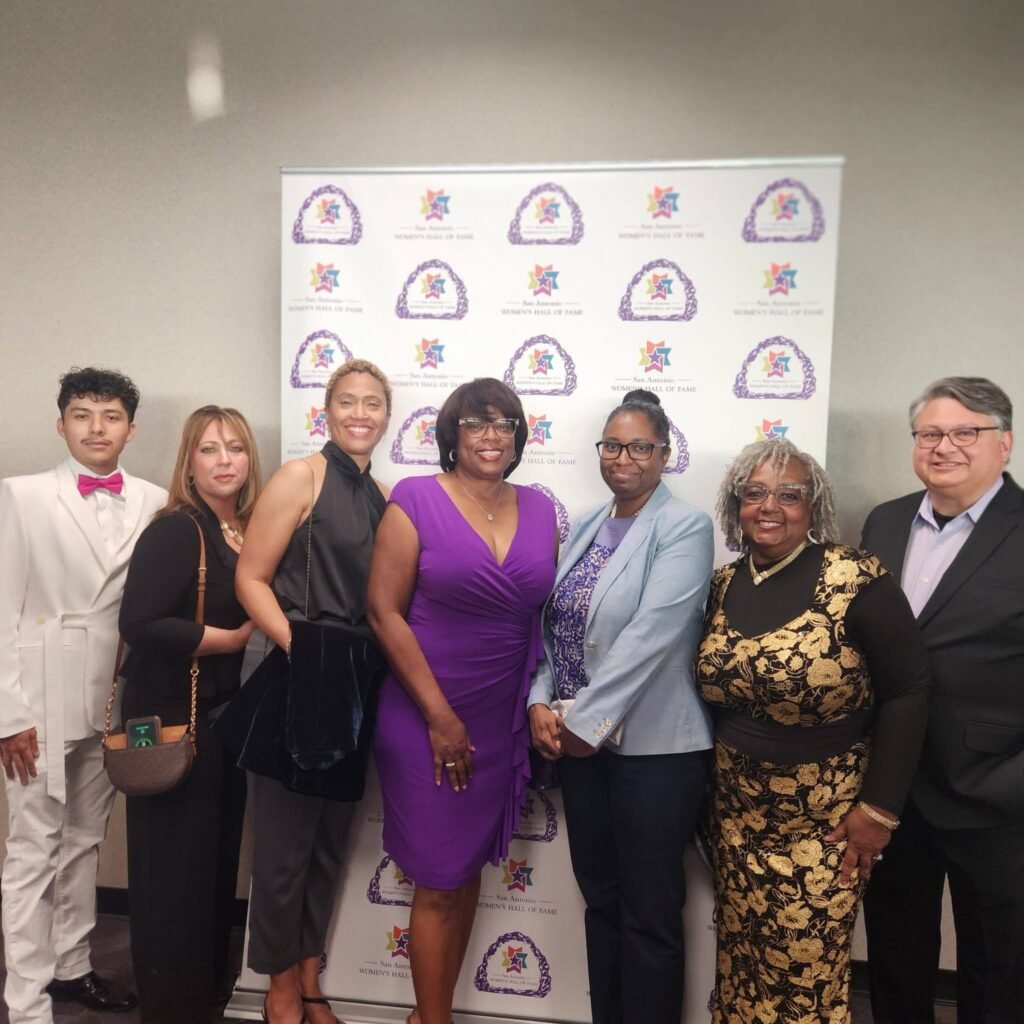
Boyd has held several civic and professional leadership roles alongside her judicial and legal work. She has served as a board member of SA100 and Gemini Ink, is a former member of the San Antonio Inns of Court, and is a former president of the San Antonio Black Lawyers Association. She is a member of the Order of Barristers and a Fellow of the Texas Bar Foundation. In 2020, she received the Bexar County Pioneer Award, and in 2026 she was scheduled for induction into the San Antonio Women’s Hall of Fame.
Boyd has also worked as a lecturer at the University of Texas at San Antonio, teaching Trial Advocacy, Appellate Advocacy, and Campaign and Election Law, and has described pairing students with legal professionals for mentorship. She has said she is a Baptist and a registered Democrat, noting in campaign materials that party affiliation, in her view, should not influence judicial decision-making. Publicly available records regarding her immediate family, including any spouse or children, remain limited, and this article will not speculate on details she has not made public.
Chronological Career Timeline

- 1997 — Earns J.D. from St. Mary’s University School of Law; begins legal career as an assistant prosecutor in the Bexar County District Attorney’s Office before opening a private criminal law practice the same year.
- 2014 — Runs for the 187th District Court bench; loses the general election to incumbent Steve Hilbig.
- 2015 — Returns to the Bexar County DA’s Office as first-chair prosecutor in the Special Crimes Unit, handling child abuse and domestic violence cases.
- 2018 — Elected to the 187th District Court, defeating Karl Alexander; becomes the first African American and first woman to hold the seat.
- 2019 — Takes the bench as presiding judge of the 187th Criminal District Court.
- 2020 — Receives the Bexar County Pioneer Award.
- 2022 — Re-elected to a second term, defeating Walden Shelton.
- July 2023 — Presides over the Willberth Villamil plea hearing, later cited in the judicial conduct investigation.
- October 2024 — Presides over the Thomas Henson probation revocation hearing, also later cited in the investigation.
- March 3, 2026 — Loses the Democratic primary for a third term to Stephanie Franco.
- April 8–9, 2026 — Texas State Commission on Judicial Conduct reviews allegations against Boyd.
- June 3, 2026 — Commission issues a formal public warning against Boyd for judicial misconduct.
- 2026 — Scheduled for induction into the San Antonio Women’s Hall of Fame; term set to conclude December 31, 2026.
10 Interesting Facts About Judge Stephanie Boyd
- She is the first African American and first woman to serve as judge of Bexar County’s 187th District Court.
- She held her first job at age twelve, selling Christmas cards door-to-door.
- She earned three degrees — a B.A. in Political Science, an MBA, and a J.D. — before joining the bench.
- She spent nearly three decades practicing law before her judicial career ended, working as both a prosecutor and a defense attorney.
- She served as first-chair prosecutor in the Bexar County DA’s Special Crimes Unit, focused on child abuse and domestic violence cases.
- She co-presides over the Bexar County Felony Mental Health Court alongside Judge Ron Rangel.
- She began livestreaming her courtroom on YouTube during the COVID-19 pandemic and continued the practice afterward.
- Her YouTube channel included a viewer “book club,” a feature later cited in a formal judicial conduct investigation.
- She lost her bid for a third term in the March 2026 Democratic primary to challenger Stephanie Franco.
- In June 2026, the Texas State Commission on Judicial Conduct issued her a formal public warning for courtroom conduct and livestream-related misconduct.
FAQ Section
What court does Judge Stephanie Boyd preside over? She presides over the 187th Criminal District Court, a felony district court in Bexar County, Texas, established in 1969.
Where is Judge Stephanie Boyd’s courtroom? Her courtroom is located within the Bexar County court system in San Antonio, Texas.
Why does Judge Stephanie Boyd livestream her court sessions? She has said the practice began during the pandemic to keep court operations running and continued afterward in the interest of public transparency, since Texas courtrooms are legally required to be open. The livestream, and viewer engagement associated with it, later became the subject of a formal judicial conduct investigation.
Where did Judge Stephanie Boyd go to law school? She earned her Juris Doctor from St. Mary’s University School of Law in San Antonio in 1997.
Is Judge Stephanie Boyd’s schedule or docket publicly available? Case filings and hearing information for the 187th District Court are accessible through Bexar County’s official court records system, and many of her proceedings have historically been viewable via her court’s YouTube channel.
Is Judge Stephanie Boyd still on the bench? As of this writing, yes. She lost her March 2026 primary bid for a third term, and her current term concludes December 31, 2026, when successor Stephanie Franco is expected to take office.
Conclusion
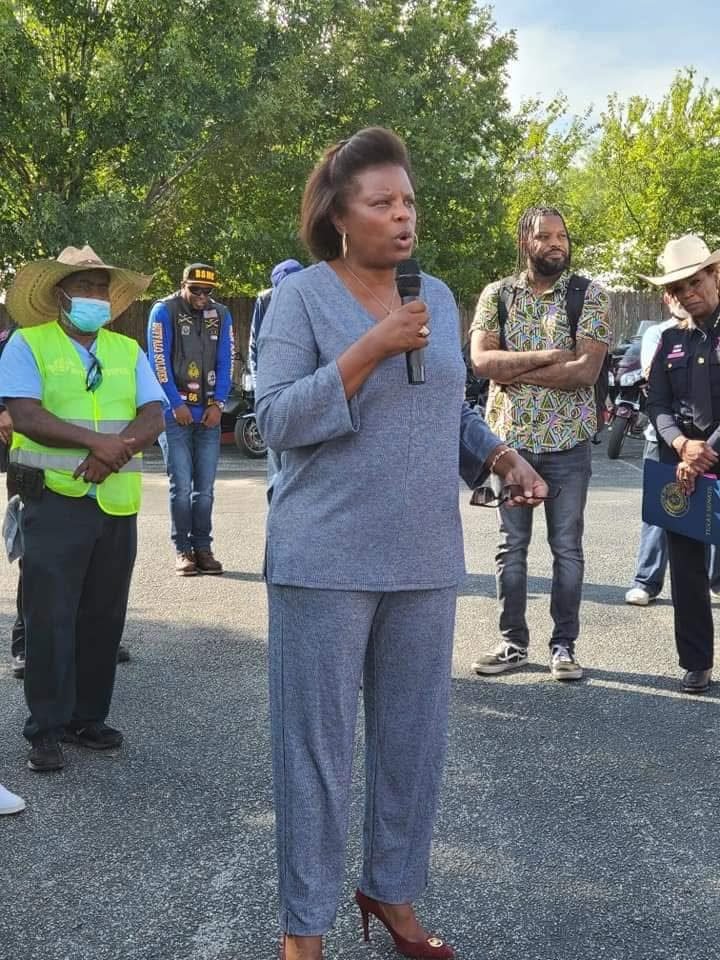
Judge Stephanie Boyd’s legacy on the Bexar County bench is genuinely twofold. She broke a real barrier as the first African American and first woman to hold the 187th District Court seat, and she built a career grounded in prosecuting some of the justice system’s most difficult cases, including child abuse and domestic violence matters. At the same time, her signature initiative — an open, livestreamed courtroom intended to demonstrate transparency — became the basis for a formal state reprimand and, ultimately, a factor in the end of her elected judicial career. As her term closes at the end of 2026, her tenure stands as a documented case study in the tension between courtroom transparency and judicial decorum, one likely to inform how other Texas courts approach public livestreaming going forward.