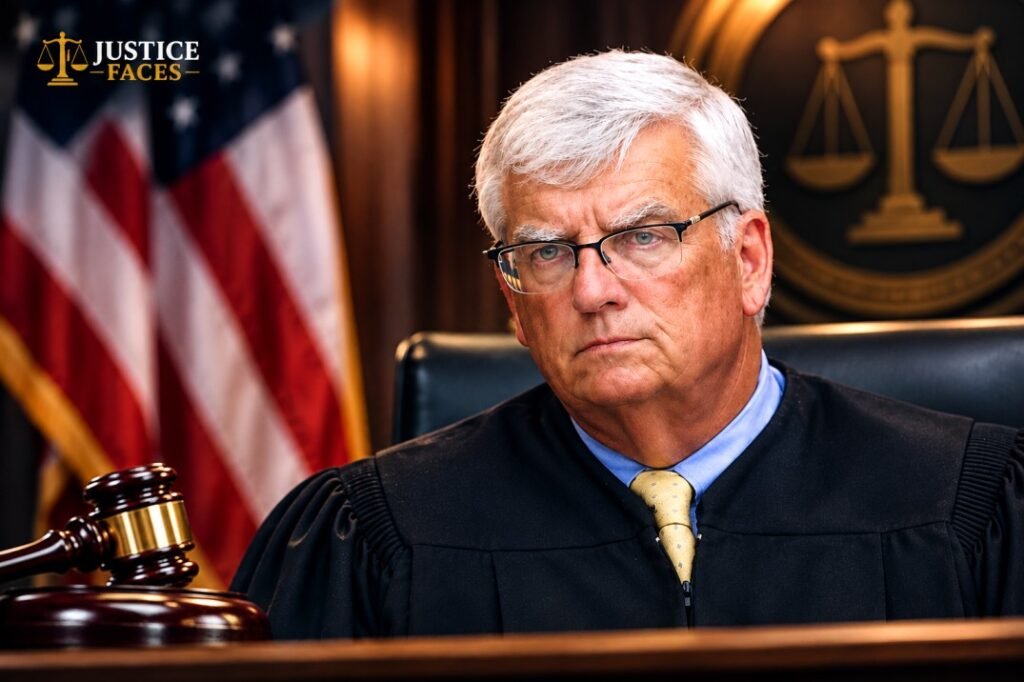
William F. Sullivan is an associate justice of the Massachusetts Superior Court, appointed in 2014 by Governor Deval Patrick. Before joining the bench he spent more than three decades practicing law, first as a Norfolk County assistant district attorney and then as a criminal defense attorney in Quincy. Many readers know his name from the Lindsay Clancy murder trial in Plymouth, which ended in a mistrial on September 4, 2026. This biography covers his education, career, appointment, the cases tied to his public profile, and the points where the public record is thin.
Who Is Judge William F. Sullivan?
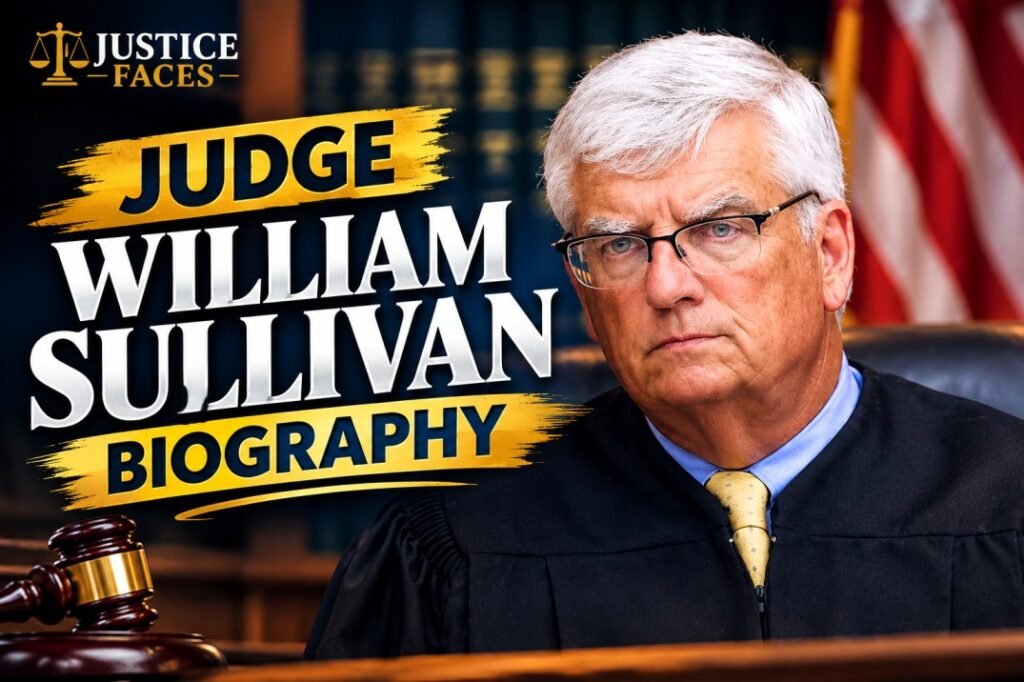
Short answer: Judge William F. Sullivan is a state trial judge on the Massachusetts Superior Court who was nominated by Governor Deval Patrick in April 2014 and confirmed by the Governor’s Council on May 21, 2014. He previously worked as a prosecutor and then spent decades as a defense lawyer with the Quincy firm Sullivan and Sweeney, LLP. He presided over the Lindsay Clancy trial and the 2022 trial of Latarsha Sanders.
The Massachusetts Superior Court is the state’s main trial court for serious crimes and larger civil disputes. Sullivan is one of many justices who sit on it, and justices can be assigned to different courthouses across the state. Reporting on both the Clancy and Sanders cases places him in Plymouth Superior Court, but readers should confirm any current assignment on the court’s official monthly assignment list.
His public profile has two sides. One is his earlier career, which included a prominent defense role in the 2013 Nathaniel Fujita murder trial. The other is his judicial record, which in 2026 drew attention because of a Supreme Judicial Court ruling in the Sanders case and the Clancy mistrial.
Early Life and Background
The public record on Sullivan’s early life is limited. Wikipedia lists Boston as his birthplace, but that is a secondary source, and no official biography reviewed for this article confirms it. We found no reliable account of his childhood, family background or early influences, so none is included here.
What the record does document begins with his education. Profiles written when he was nominated in 2014 focus on his legal career rather than his upbringing, which is common for judicial appointees.
Education and Path to Law
Sullivan earned his undergraduate degree at the University of Notre Dame. A 2014 profile in the Canton Citizen says he played for the Fighting Irish men’s soccer team, and an attorney directory listing gives 1979 as his graduation year. That directory is not an official record, so treat the year as unverified.
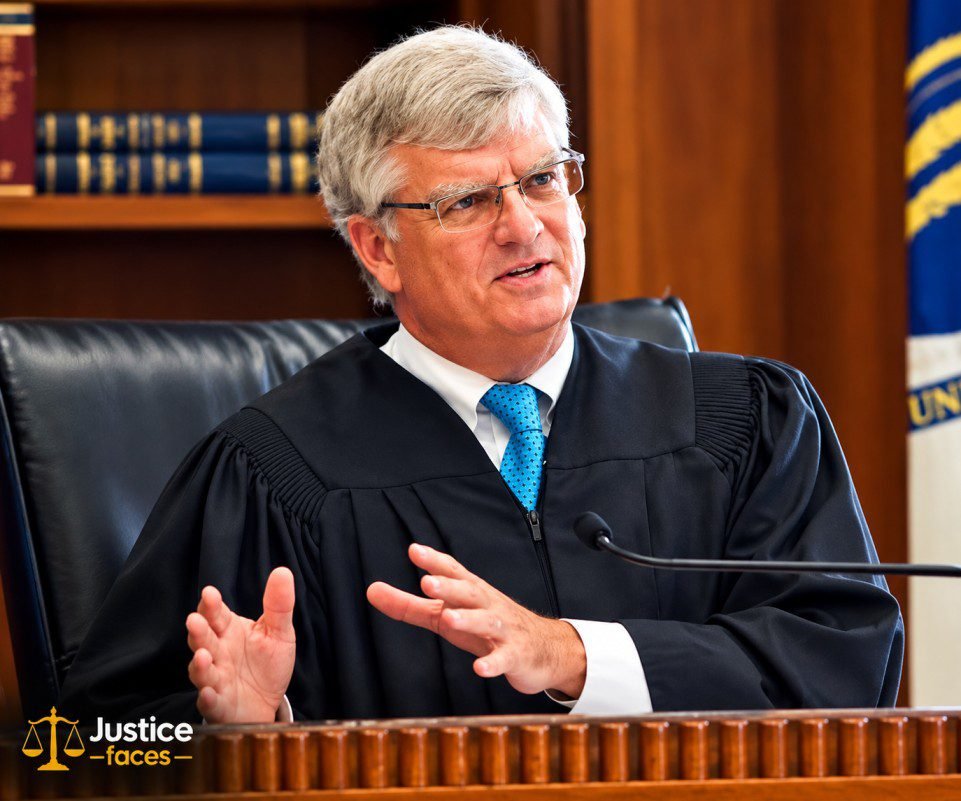
He then earned a Juris Doctor from Boston College Law School (Canton Citizen, 2014). Boston College’s alumni magazine lists him under the Class of 1982, which fits with the start of his prosecutor work that year (BC Law Magazine). The class-year listing is a magazine entry, not a transcript, so an editor should confirm it with the school or the Board of Bar Overseers.
A law degree in the United States is a three-year professional program. Graduates must then pass a state bar exam and be admitted to practice before they can represent clients in court. Sullivan’s later work in Massachusetts trial courts followed that standard route.
Early Legal Career
Sullivan began as an assistant district attorney in Norfolk County. Wikipedia places that service between 1982 and 1984, and the Canton Citizen describes it as two years (Wikipedia; Canton Citizen). Norfolk County is south of Boston and includes Quincy and Canton.
A prosecutor represents the government. An assistant district attorney decides how to present the Commonwealth’s evidence, argues for conviction, and carries the burden of proving guilt beyond a reasonable doubt. A defense attorney does the opposite job: testing that evidence, advising the accused, and presenting any available defense.
Working both sides of the courtroom gives a lawyer a practical view of how cases are built and challenged. The record does not show how Sullivan himself described that experience, so this article does not speculate about it.
Years as a Defense Attorney
After his time in the district attorney’s office, Sullivan moved into private practice. He became a partner at Sullivan and Sweeney, LLP in Quincy, a firm whose work the Canton Citizen described as criminal and civil law (Canton Citizen; BC Law Magazine). When he was nominated to the bench, that publication called him one of the state’s top criminal defense attorneys, a characterization of the writer and not an official finding.
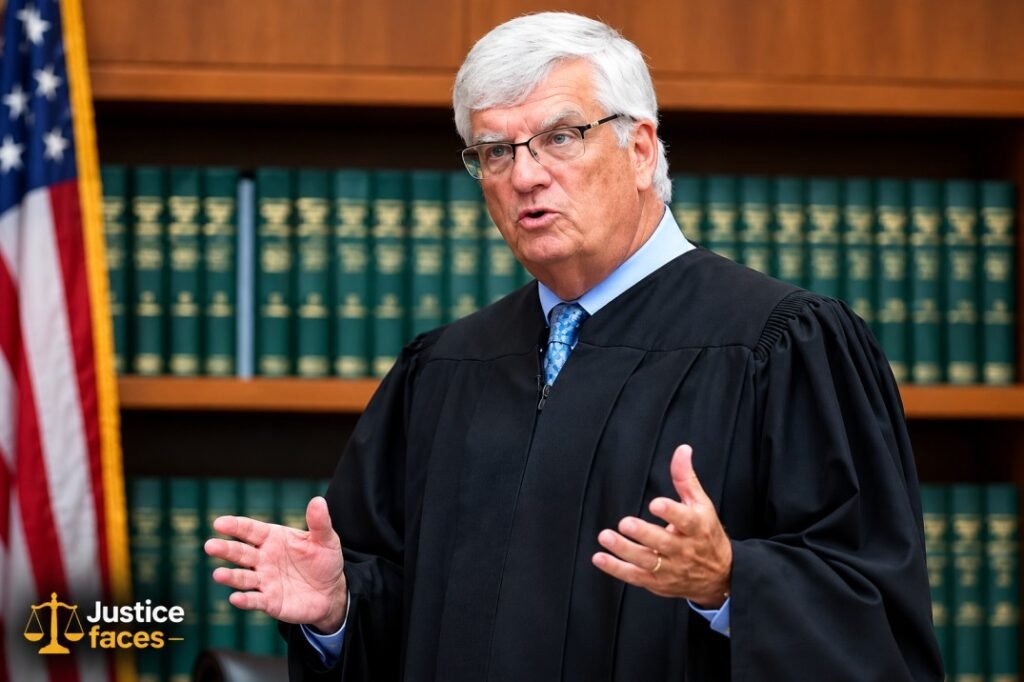
The same 2014 profile reported that he had tried hundreds of cases in Superior Court and won acquittals in matters ranging from first-degree murder and rape to drug trafficking and drunk driving. These figures come from a local newspaper’s account at the time of his nomination, and we could not verify them against court records. Readers should treat them as reported claims.
Other documented professional activity includes service as a special assistant city solicitor for Quincy from 2006 to 2008 and membership on the Judicial Nominating Commission from 2003 to 2007. The commission screens candidates for judgeships in Massachusetts, which means Sullivan had seen the appointment process from the inside before he went through it himself. The same profile also reports that he held the highest peer rating (AV Preeminent) from Martindale-Hubbell, which is a rating based on peer review and not an award.
How William Sullivan Became a Judge
Governor Deval Patrick nominated Sullivan to the Superior Court in April 2014, and the Governor’s Council confirmed him on May 21, 2014 (Wikipedia). The Canton Citizen reported that the council’s vote was unanimous and that he replaced Justice D. Lloyd Macdonald (Canton Citizen). He withdrew from his Quincy practice during a transition period before taking the bench.
Massachusetts judges are appointed, not elected. The process begins with an application and an interview before the Judicial Nominating Commission. The governor then nominates a candidate, and the elected Governor’s Council reviews and votes on the nomination.
Sullivan described the process in 2014 as lengthy and extensive. Asked what kind of judge he planned to be, he said he wanted to be fair and impartial and to treat each case individually. That is a stated goal at the time of appointment, not a measured record of how he has ruled.
Reuters reported in 2026 that he was 69 and was appointed in 2014 (Reuters, via syndicated copy). Wikipedia states that Massachusetts judges face a mandatory retirement age of 70.
Judge William Sullivan’s Court and Judicial Role
The Superior Court handles the Commonwealth’s most serious criminal cases, including all first-degree murder prosecutions, along with civil cases above a monetary threshold. The 2014 Canton Citizen profile described the threshold as $25,000, and put the number of Superior Court justices at 82 and courthouses at 20. Those are 2014 figures, so check the Massachusetts court system’s current pages before quoting them.
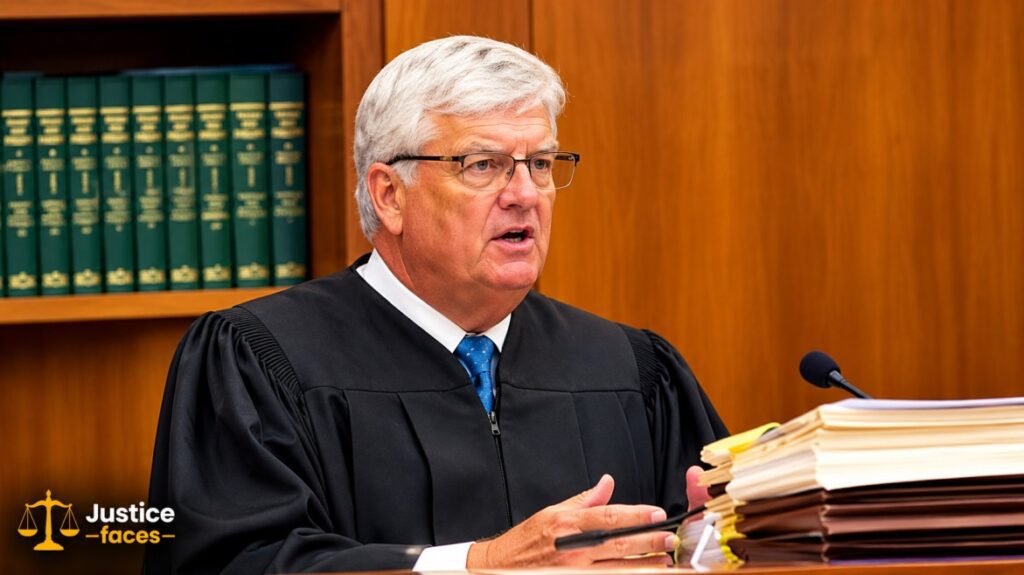
A Superior Court judge decides what evidence a jury may hear, instructs the jury on the law, rules on pretrial and post-trial motions, and imposes sentence after a conviction. The jury, not the judge, decides guilt or innocence in a jury trial. That division matters in both the Clancy and Sanders cases.
Contemporary reporting places Sullivan in Plymouth Superior Court for the Clancy trial, which began in July 2026, and for the Sanders trial in 2022. His official assignment can change month to month. Verify against the Superior Court monthly judicial assignments before publication.
The Lindsay Clancy Trial
The charges. Lindsay Clancy was charged with three counts of murder in the January 24, 2023 deaths of her children Cora, 5, Dawson, 3, and Callan, 8 months, at the family’s home in Duxbury. She pleaded not guilty (Good Morning America; WBUR). These are allegations that the jury was asked to evaluate. No verdict was reached.
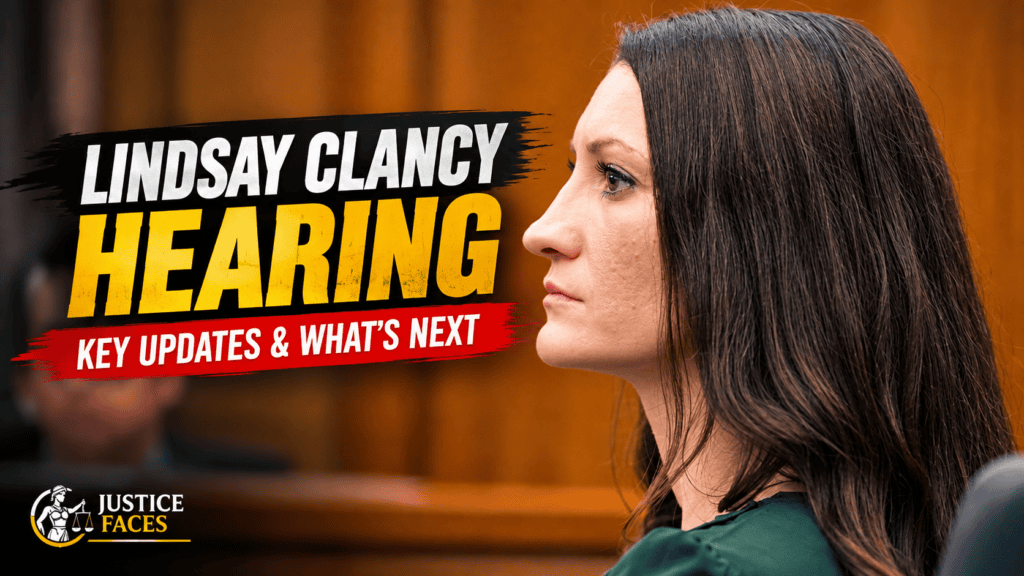
The central issue. The trial did not turn on whether Clancy caused the children’s deaths. Her lawyers did not dispute that she strangled them, and argued she should not be held criminally responsible because she was experiencing postpartum psychosis (WBUR, Sept. 29). Under Massachusetts law, WBUR explained, the prosecution must prove beyond a reasonable doubt that the defendant understood the wrongfulness of her actions or had the capacity to conform to the law.
The two positions. Defense experts testified that Clancy was in a psychotic state. Prosecution experts testified that she was depressed but not psychotic, and prosecutors argued she planned the killings because she wanted to end her own life. Assistant District Attorney Jennifer Sprague also asked jurors to find extreme atrocity and cruelty, a requirement for first-degree murder (WBUR).
Sullivan’s rulings along the way. Before trial, he denied a defense request to move the case from Plymouth to Boston because of publicity, finding the jury pool had not been compromised, and he granted a defense request to continue the trial to July 20, 2026 (Court TV). During trial, ABC News reported that he denied a defense mistrial request on August 25 that was based on a prosecution reference to Clancy’s religion during testimony (ABC News). The trial lasted about seven weeks, with more than 70 witnesses (WBUR).
Deliberations and the mistrial. The jury of nine women and three men deliberated for about a week and told the judge repeatedly that it could not agree. On September 2, Sullivan gave what Massachusetts courts call a Tuey-Rodriguez instruction, which urges deadlocked jurors to keep trying for a verdict. On September 3 and 4, the foreperson sent notes, one indicating that a single juror was preventing unanimity. Sullivan refused a defense request to remove that juror and reiterated that a juror with reasonable doubt must acquit (Reuters, via syndicated copy; WBUR).
“It is with a heavy heart that we report we are unable to come to a unanimous decision, and we will not be able to.” (Jury note read aloud by the judge, per WBUR)
Sullivan declared a mistrial on September 4, 2026. Clancy’s lawyer sought an emergency stay from the Supreme Judicial Court first, and Sullivan gave him one hour to file; the high court denied the request that afternoon. The judge also ordered the jurors’ names sealed until September 18.
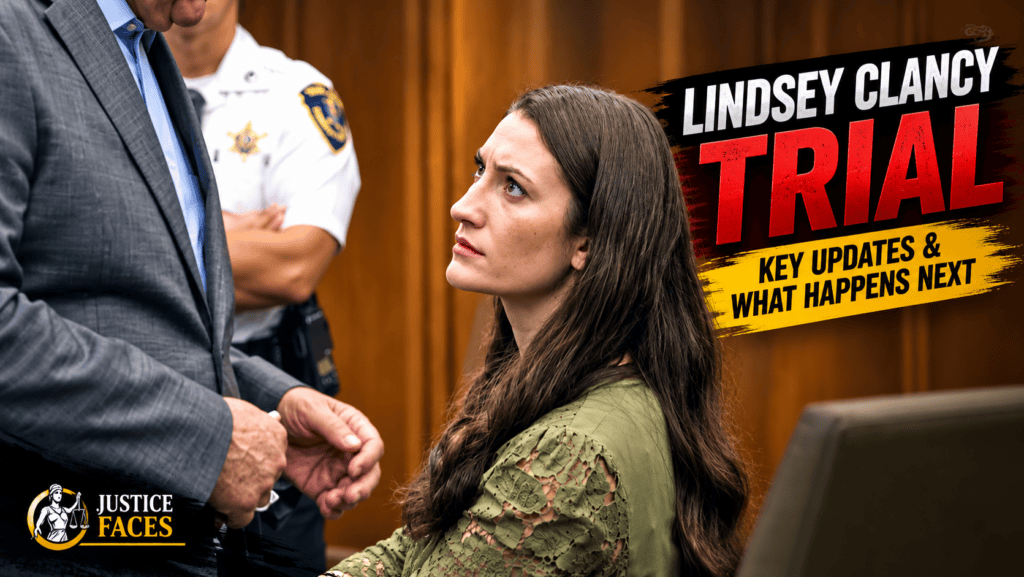
What a mistrial means. A mistrial ends a trial without a verdict. It is not an acquittal and not a conviction. The prosecution can seek to try the case again, unless a court finds that double jeopardy protections bar it.
Who decides what. The jury decides whether a defendant is guilty, not guilty, or not criminally responsible. The judge instructs on the law and rules on procedure, including whether deliberations have reached an impasse. The prosecutor decides whether to retry the case, a point WBUR’s legal experts stressed.
Where the case stands. Clancy appeared in court on September 29, 2026 for the first time since the mistrial. Sullivan took under advisement a defense motion for a required finding of not guilty, and set November 2 for arguments on a defense motion to dismiss on double jeopardy grounds and a motion concerning the holdout juror (CBS Boston; WBUR). The defense argues Sullivan should have inquired further into that juror before declaring a mistrial. Prosecutors oppose the motions, and Plymouth County District Attorney Timothy Cruz had not said whether he would retry the case.
A full chronology belongs in a dedicated article. See the JusticeFaces Lindsay Clancy trial coverage for that.
The Nathaniel Fujita Case and Sullivan’s Defense Career
This case happened before Sullivan became a judge. He served as defense attorney, not as the presiding judge, in the Middlesex Superior Court trial of Nathaniel Fujita, who was charged with killing his former girlfriend Lauren Astley in Wayland on July 3, 2011.
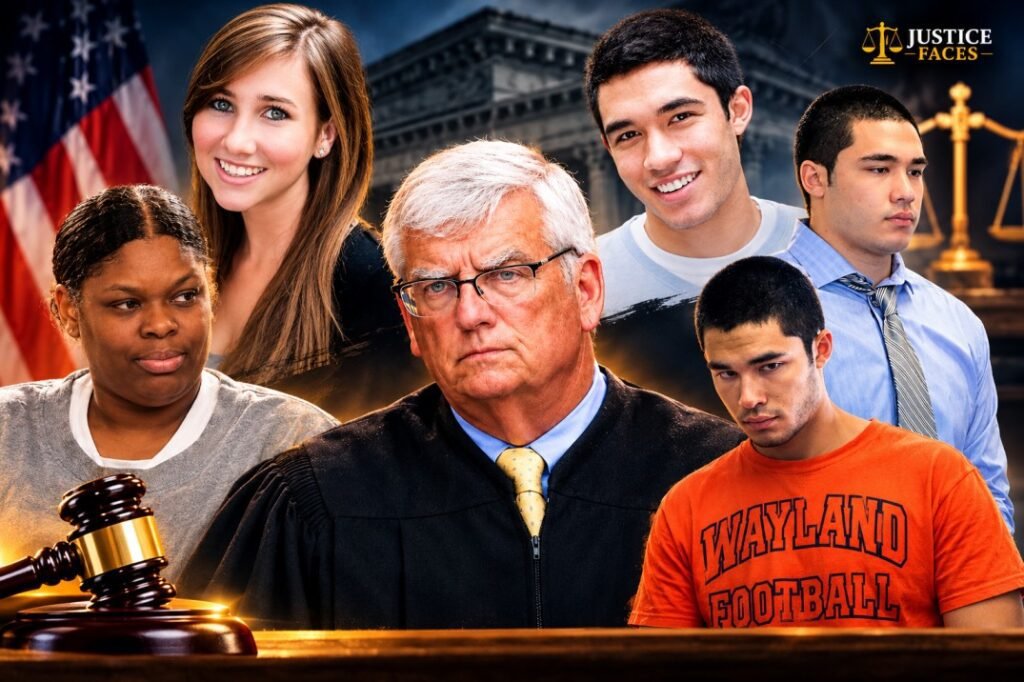
Fujita was 18 at the time of the killing and 20 at trial. Sullivan did not dispute that his client had killed Astley. He argued that Fujita experienced a brief psychotic episode and could not control his actions, supported by a defense forensic psychiatrist who pointed to depression, marijuana use and head injuries from football (WBUR, 2013; Boston 25 News).
Prosecutor Lisa McGovern argued that the killing was planned and driven by anger after a breakup. On March 7, 2013, the jury convicted Fujita of first-degree murder and related assault charges, and he received the mandatory sentence of life without parole. Sullivan said afterward he was disappointed and expected an appeal. CBS Boston later reported that the Supreme Judicial Court rejected a further appeal (CBS Boston).
Why include it? The case shows the kind of work Sullivan did as a defense lawyer, including a mental-health defense in a murder trial. It does not establish his later judicial philosophy, and this article does not suggest that it does. Reuters noted that Sullivan later appeared on the television series “48 Hours” to discuss Fujita’s mental health.
The Latarsha Sanders Case and Appellate Review
In this case Sullivan was the trial judge. Latarsha Sanders of Brockton was tried in Plymouth Superior Court in 2022 for the 2018 deaths of her sons Marlon, 8, and La’Son, 5. After a nine-day trial, a jury convicted her of two counts of first-degree murder following about four hours of deliberation, and she received mandatory life sentences (Boston Globe).
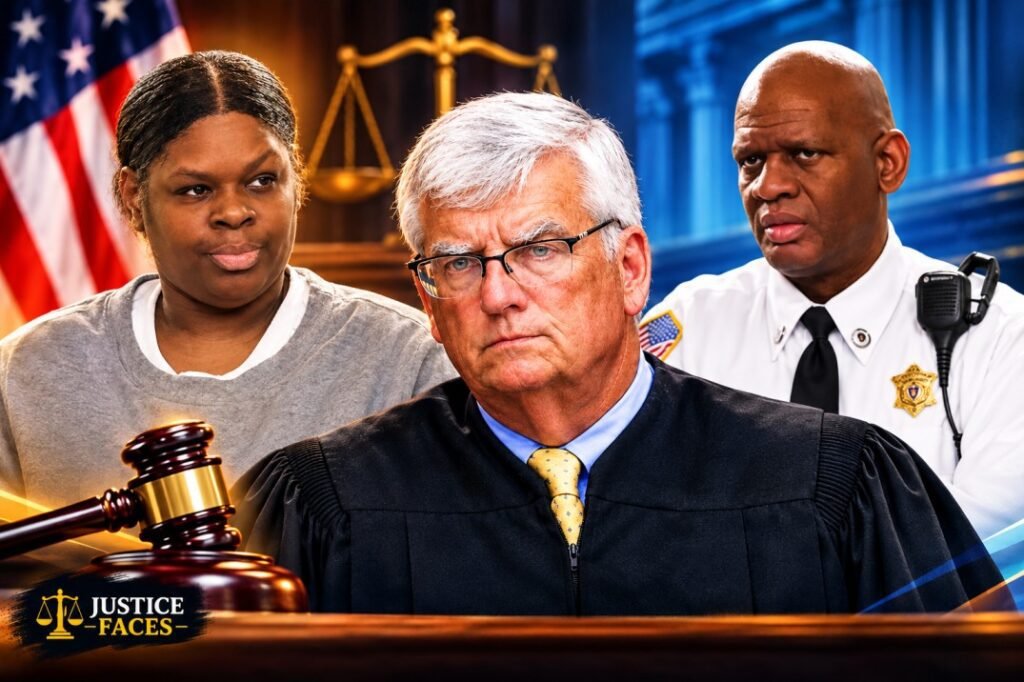
Her only defense was lack of criminal responsibility. At the prosecutor’s request, Sullivan ruled that most medical records from her four years of pretrial custody, at MCI-Framingham and the Worcester Recovery Center and Hospital, were inadmissible. The jury therefore did not see records that documented diagnoses and treatment of mental illness.
On August 6, 2026, the Supreme Judicial Court unanimously vacated the convictions and ordered a new trial. Justice Frank M. Gaziano wrote for the court that excluding the relevant medical records “constituted prejudicial error.” The court also found that parts of the prosecutor’s closing argument about a television program were impermissible (Boston Globe). A court spokesperson said Sullivan declined to comment.
An appellate ruling is different from a trial ruling. A trial judge makes decisions in real time on the evidence and law as presented. An appellate court reviews the written record afterward and decides whether an error occurred and whether it affected the outcome. The SJC’s finding concerned the exclusion of the records, and it was not a finding about Sullivan’s motives or character.
The Sanders decision overlapped with the Clancy trial, which was underway at the time. Legal commentators quoted by the Globe said the ruling signals that trial judges should give defendants raising an insanity defense room to present their evidence, and one noted the decision is narrow and tied to the facts of Sanders’ trial. The Plymouth County District Attorney’s office said it was reviewing the opinion and determining next steps.
Other Notable Cases
Reuters described Sullivan’s role in at least two other high-profile murder trials before Clancy: Fujita as defense counsel and Sanders as trial judge. Research for this article did not surface other cases with enough verified detail (case name, date, role, ruling and outcome) to include responsibly. Court dockets may contain more, and an editor with access to Massachusetts court records could add cases meeting those criteria.
Judicial Approach and Courtroom Decision-Making
The documented record supports describing what Sullivan did, not why. In Clancy, he denied a change of venue, granted a trial continuance, denied a mistrial motion during trial, instructed a deadlocked jury to keep deliberating, declined to remove a juror, declared a mistrial, and sealed juror names temporarily. ABC News also reported that he reprimanded a prosecution witness on August 24. In Sanders, his evidentiary ruling was reversed on appeal.
Commentators have read these events differently, and the interpretations belong to them. Boston University emeritus professor David Rossman told WBUR it appears the judge followed correct legal procedure in instructing the jury. The defense argues the opposite as part of its double jeopardy motion, and Boston College professor R. Michael Cassidy called the defense motions a long shot while noting the double jeopardy question would likely be reviewed on appeal.
One mistrial and one reversed evidentiary ruling do not amount to a judicial philosophy. Judges make hundreds of discretionary rulings, and the public record covers only a small share of them. Until an appellate court rules on the Clancy motions, the questions raised about the mistrial remain contested.
Professional Recognition and Legal Community Involvement
Documented items are modest in number and come mostly from his 2014 nomination coverage. They include membership on the Judicial Nominating Commission from 2003 to 2007, a special assistant city solicitor role for Quincy from 2006 to 2008, recognition as Man of the Year by the Norfolk County and Quincy bar associations as described by the Canton Citizen, and the Martindale-Hubbell AV Preeminent peer rating.
An attorney directory listing indicates past leadership roles in Quincy and Norfolk County bar groups, but the listing is truncated and unofficial, so this article does not report titles or dates. If bar-association leadership is important to the profile, confirm it with the associations directly.
Personal Life and Family
No reliable, official source reviewed for this article documents Sullivan’s marital status, children or home life. We did not use people-search databases or gossip sites. If a credible source emerges, such as an official biography or reputable profile, it can be added with attribution.
Judge William Sullivan’s Age and Birthday
Reuters reported that Sullivan was 69 as of September 4, 2026. Wikipedia and an attorney directory list his birth date as June 15, 1957 and his birthplace as Boston. Those two listings are consistent with the Reuters age, but neither is an official record, so treat the date as reported and not independently confirmed.
Salary and Net Worth
Official salary. Under Massachusetts General Laws chapter 211B, section 4, each associate justice of the trial court receives a salary of $207,855, as shown on the Massachusetts Legislature’s website for the 194th General Court (malegislature.gov). Salary figures can change when the legislature amends the statute, so check the current text before quoting.
Net worth. No reliable public source establishes Sullivan’s net worth, and estimates on biography websites are unsupported. Massachusetts judges’ personal assets are not published in a way that supports a figure. This article does not offer one.
Recent News and Current Status
As of October 1, 2026, Sullivan remains the presiding judge in the Clancy matter. On September 29, he held the first hearing since the mistrial, took the defense’s motion for a required finding of not guilty under advisement, and scheduled arguments for November 2 on the double jeopardy motion and the holdout-juror motion. No retrial date has been set.
In the Sanders case, the Supreme Judicial Court’s August 6 decision sent the matter back to Plymouth Superior Court for a new trial if the district attorney chooses to proceed. These developments are changing quickly, so this section should be updated after November 2.
Facts About Judge William Sullivan
- He is an associate justice of the Massachusetts Superior Court.
- Governor Deval Patrick nominated him in April 2014, and the Governor’s Council confirmed him on May 21, 2014.
- He earned his undergraduate degree at the University of Notre Dame and played on its men’s soccer team.
- He holds a law degree from Boston College Law School.
- He served as a Norfolk County assistant district attorney in the early 1980s (1982 to 1984 per Wikipedia).
- He was a partner at Sullivan and Sweeney, LLP in Quincy.
- He served on the Judicial Nominating Commission from 2003 to 2007.
- He was Nathaniel Fujita’s defense attorney in the 2013 murder trial, years before he became a judge.
- He was the trial judge in Latarsha Sanders’ 2022 murder trial, whose convictions the SJC vacated on August 6, 2026.
- He presided over Lindsay Clancy’s 2026 trial and declared a mistrial on September 4, 2026.
- The statutory salary for an associate justice of the trial court is $207,855.
- Reuters reported his age as 69 in September 2026.
Judge William Sullivan’s Career Timeline
- Late 1970s: Earns undergraduate degree at Notre Dame (1979 per an unofficial directory).
- 1982 (approx.): Boston College Law School class year per BC Law Magazine; verify.
- 1982 to 1984: Assistant district attorney, Norfolk County (Wikipedia).
- Decades after: Criminal defense and civil practice, Sullivan and Sweeney, LLP, Quincy.
- 2003 to 2007: Member, Judicial Nominating Commission.
- 2006 to 2008: Special assistant city solicitor, Quincy.
- July 3, 2011: Killing of Lauren Astley in Wayland, later the subject of the Fujita trial.
- March 7, 2013: Jury convicts Nathaniel Fujita of first-degree murder; Sullivan was his defense attorney.
- April 2014: Governor Patrick nominates Sullivan to the Superior Court.
- May 21, 2014: Governor’s Council confirms him.
- 2022: Presides over the Latarsha Sanders murder trial in Plymouth Superior Court.
- July 2026: Clancy trial begins in Plymouth (trial date set for July 20).
- August 6, 2026: SJC vacates Sanders’ convictions and orders a new trial.
- September 4, 2026: Sullivan declares a mistrial in the Clancy case.
- September 29, 2026: First post-mistrial hearing; motions taken under advisement.
- November 2, 2026: Scheduled hearing on the double jeopardy and holdout-juror motions.
Frequently Asked Questions
1. Who is Judge William F. Sullivan? He is an associate justice of the Massachusetts Superior Court and a former prosecutor and criminal defense attorney.
2. What court does Judge William Sullivan serve on? The Massachusetts Superior Court. Reporting on the Clancy and Sanders cases places him in Plymouth Superior Court, but assignments change.
3. Who appointed William Sullivan as a judge? Governor Deval Patrick nominated him, and the Governor’s Council confirmed him.
4. When did William Sullivan become a judge? He was confirmed on May 21, 2014.
5. Where did Judge William Sullivan attend college? The University of Notre Dame.
6. Where did he attend law school? Boston College Law School.
7. Was William Sullivan a prosecutor? Yes. He served as an assistant district attorney in Norfolk County, reported as 1982 to 1984.
8. Did William Sullivan work as a defense attorney? Yes. He practiced criminal defense in Quincy at Sullivan and Sweeney, LLP before becoming a judge.
9. What is Judge William Sullivan’s connection to the Lindsay Clancy trial? He was the presiding judge in her 2026 murder trial in Plymouth Superior Court.
10. Why was a mistrial declared in the Lindsay Clancy case? The jury told the judge several times that it could not reach a unanimous verdict, and on September 4, 2026 Sullivan declared a mistrial after finding the jury deadlocked.
11. What was William Sullivan’s role in the Nathaniel Fujita case? He was Fujita’s defense attorney in the 2013 trial, before he became a judge. Fujita was convicted of first-degree murder.
12. What happened in the Latarsha Sanders case? Sullivan presided over her 2022 trial and ruled most pretrial medical records inadmissible. The Supreme Judicial Court vacated her convictions on August 6, 2026, saying that exclusion was prejudicial error, and ordered a new trial.
13. What is Judge William Sullivan’s age? Reuters reported he was 69 in September 2026. Wikipedia lists a June 15, 1957 birth date, which is not officially confirmed.
14. Is Judge William Sullivan married? No reliable public source we reviewed addresses this.
15. Does Judge William Sullivan have children? No reliable public source we reviewed addresses this.
16. What is Judge William Sullivan’s salary? Massachusetts law sets an associate justice’s salary at $207,855. Confirm the current statute before quoting.
17. What is Judge William Sullivan’s net worth? It cannot be reliably confirmed from public information.
18. Where can readers find official information about his court? On Mass.gov, which lists Superior Court justices and monthly judicial assignments, and at the Massachusetts Trial Court’s website.