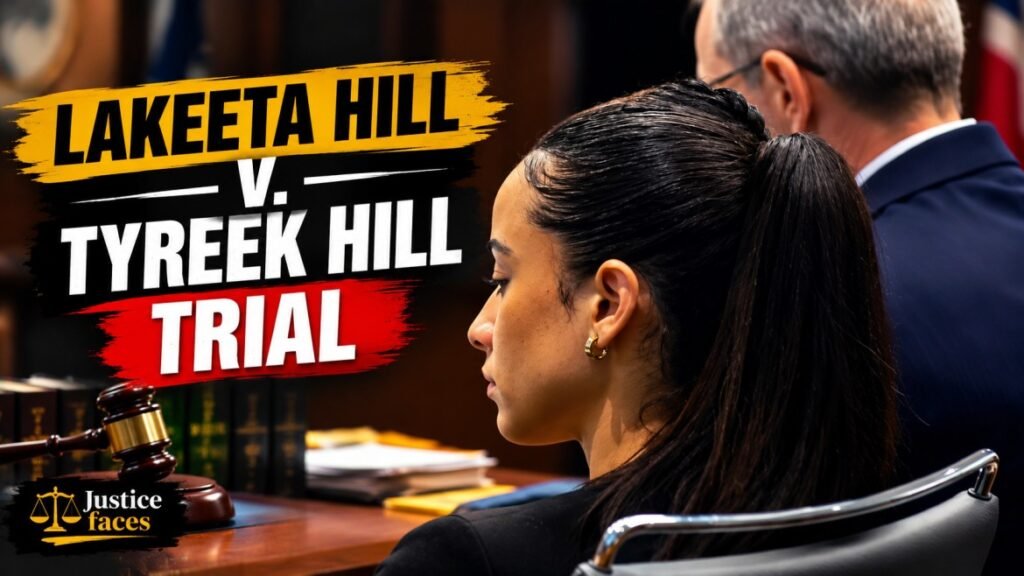
The civil trial between Lakeeta Vaccaro Hill, also known as Keeta Vaccaro, and NFL wide receiver Tyreek Hill opened with jury selection, opening statements and the start of the plaintiff’s testimony. Her lawsuit accuses Hill of battery and intentional infliction of emotional distress, and it also alleges financial coercion tied to a postnuptial agreement. Hill’s lawyers deny the claims and say the case is about money.
Nothing has been decided. Everything below describes what each side told the jury on the first day, not what a court has found.
Who Is Tyreek Hill? A Short Biography
Tyreek Hill is an American football wide receiver who entered the NFL with the Kansas City Chiefs in the 2016 draft. He became one of the league’s most productive receivers and won a Super Bowl with the Chiefs. In 2022 he moved to the Miami Dolphins, where he played for four seasons. According to reporting by The Blast, his time with Miami officially ended on February 16, 2026, and other outlets linked the release to a major knee injury. theblast
His personal life has also been in the public eye. Reports say he and Keeta Vaccaro married in November 2023 and welcomed their daughter Capri in November 2024. Vaccaro filed for divorce in April 2025. Coverage of his off-field history has repeatedly mentioned earlier legal matters, including a guilty plea to a domestic violence charge while at Oklahoma State in 2014. That history is background only. It is not evidence in this civil case, and each claim in this trial must be judged on the evidence presented. EssentiallySports
Case Background
The lawsuit is a civil tort action. Vaccaro is the plaintiff and Hill is the defendant. The claims include assault, battery, intentional infliction of emotional distress and coercion. The central legal question is whether Hill committed civil battery and intentional infliction of emotional distress, and whether damages are warranted if he did.

The case runs alongside the couple’s divorce. Reports based on Vaccaro’s court filings say she alleges eight separate incidents, the first in January 2024. Hill’s attorney has called the allegations false and described them as a smear campaign meant to push a settlement. The source material for this article does not name the judge in the civil case, and it does not say what the verdict form will ask the jury to decide, so neither is described here. ComplexComplex
What Happened on Day 1
Day 1 followed the usual order of a civil jury trial. The jury was selected, each side gave an opening statement, and Vaccaro began her direct examination. Hill’s lawyers then started cross-examining her.
The openings gave the jury two very different stories. The plaintiff’s lawyers described a relationship that escalated over time. Hill’s lawyers described a marriage with ordinary conflict and a lawsuit built to produce money.
The Plaintiff’s Opening Statement
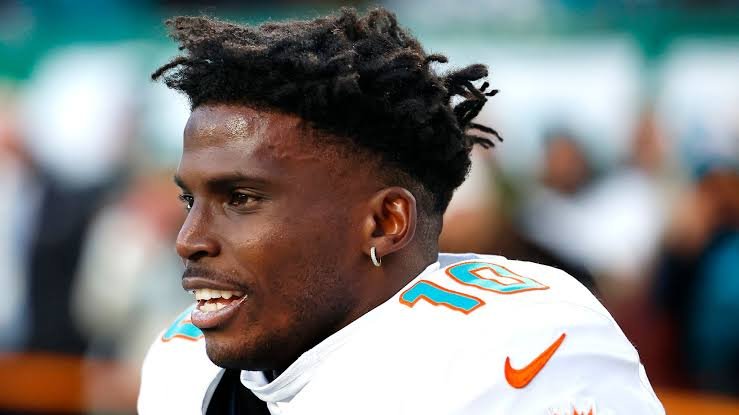
Vaccaro’s counsel laid out a timeline of verbal and physical conflict that they said grew worse. They described specific instances of physical contact and thrown objects, and they argued the home was marked by an imbalance of power.
A key part of the opening was the postnuptial agreement. Counsel said Vaccaro was pressured to sign an agreement that changed the financial terms of the marriage, and that this pressure set off severe disputes. The lawyers also stressed psychological harm: loss of security, and a need for medical or therapeutic evaluation after the alleged incidents. This matters because emotional distress claims depend on showing real harm, not only misconduct.
The Defense’s Opening Statement
Hill’s lawyers flatly denied every allegation of battery and abuse. They called the claims exaggerated or fabricated, and they said the disputes were verbal and typical of marital friction.

They offered three main themes:
- Financial motive: The defense said the lawsuit is tied to the divorce and is meant to produce compensation beyond what the marital agreements provide.
- No criminal findings: The defense pointed out that no criminal conviction has resulted from these specific claims, and said there was no objective physical evidence or police action at the time of the alleged events.
- Credibility: The defense said Vaccaro’s statements to police, her personal messages and her court filings are inconsistent with each other.
On the postnuptial agreement, the defense said the agreements were entered into legally and that Vaccaro had independent legal representation.
Vaccaro’s Testimony and the Cross-Examination
Vaccaro took the stand and described the background of the relationship. She gave specific dates for the alleged altercations and spoke about the atmosphere in the home before the couple separated.
The defense used cross-examination to go after the timeline. Attorneys asked about text messages and other digital communications sent shortly before and after the alleged disputes. The aim was to challenge both the sequence of events and the emotional state she described. Messages sent close to an incident can be powerful in front of a jury, but their weight depends on context, and the material provided does not say how the jury received this line of questioning.

Side-by-Side: Day 1 Positions
| Issue | Plaintiff (Vaccaro) | Defendant (Hill) |
|---|---|---|
| Main claim | Civil assault, battery and emotional abuse | Full denial; disputes were verbal |
| Financial claims | Coerced on postnuptial terms under pressure | Agreements were legal, with independent counsel |
| Evidence focus | Testimony, incident logs, signs of distress | No contemporaneous police reports; text message context |
Legal Issues Explained
Battery. In a civil case, battery means harmful or offensive physical contact without consent. The question for the jury is whether the contact happened and whether it caused harm.
Intentional infliction of emotional distress. This claim usually requires conduct that goes far beyond ordinary rudeness or conflict, plus serious emotional harm. It is one reason the plaintiff’s side emphasized distress and the need for evaluation.
Coercion and the postnuptial agreement. A postnuptial agreement is a contract signed during marriage that sets financial terms. Vaccaro’s side says she signed or was pushed to sign under pressure. The defense says it was signed legally with independent counsel.
Civil versus criminal cases. A civil jury decides whether the plaintiff has proved her claims, and in most US civil cases the standard is lower than the criminal standard of proof beyond a reasonable doubt. That is why the defense’s point about the absence of criminal convictions is an argument about the evidence, not a legal bar to the claims. Whether a criminal case was ever brought is something this article cannot confirm from the material provided.
What Happens Next
The supplied material covers only Day 1 and does not say when the trial will resume or what witnesses are expected. The next stages in a civil trial normally include more testimony, cross-examination and closing arguments. Without the court schedule, this article does not predict dates or outcomes.
Current Case Status
The trial is ongoing, based on the information provided. No verdict has been reached, no finding of liability has been made, and no damages have been awarded. Vaccaro’s allegations are claims that she must prove, and Hill has denied them.
Frequently Asked Questions
What is the Lakeeta Hill v. Tyreek Hill case about?
It is a civil lawsuit alleging assault, battery, intentional infliction of emotional distress and financial coercion during the couple’s marriage.
Is this a criminal trial?
No. It is a civil tort action, and the question is whether Hill is liable and whether damages are warranted.
What did Vaccaro’s lawyers argue on Day 1?
They described escalating verbal and physical conflict, pressure to sign a postnuptial agreement, and serious emotional harm.
What did Hill’s lawyers argue?
They denied the allegations, said the lawsuit is financially motivated and tied to the divorce, and challenged her credibility using messages and prior statements.
Has Tyreek Hill been found liable?
No. The trial is at an early stage and there has been no ruling.
Who is Tyreek Hill?
He is an NFL wide receiver who began his career with the Kansas City Chiefs and later played four seasons with the Miami Dolphins.
Is Tyreek Hill still with the Dolphins?
According to The Blast, his four-year run with Miami ended on February 16, 2026. theblast
Who is the judge?
The source material for this article does not identify the judge in the civil trial.
Conclusion
Day 1 set up a direct credibility contest. One side says a pattern of abuse and financial pressure damaged Vaccaro. The other says the claims are exaggerated and driven by money. What remains open is whether the testimony and any documents or messages will persuade the jury, and nothing from this first day answers that. For more courtroom coverage, see the other legal case reports on JusticeFaces.