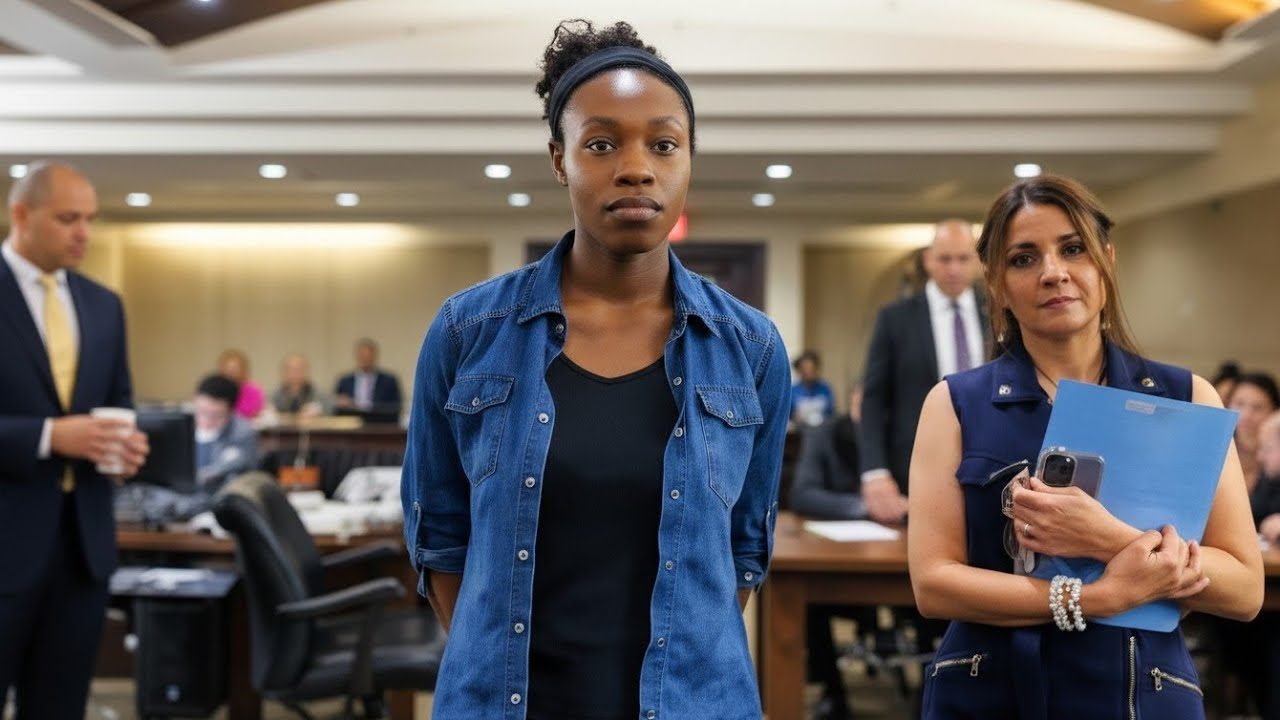
Courtrooms have always been public in theory — open dockets, open galleries, open records. But the last few years have tested what “public” means when a sitting judge puts her own courtroom on YouTube, complete with a subscriber count, a comments section, and a self-hosted book club.
Judge Stephanie Boyd of the 187th Criminal District Court in Bexar County, Texas, is not a courtroom-drama personality or an entertainment figure. She is an elected felony-court judge, first sworn in on January 1, 2019, with nearly three decades of experience as a prosecutor and defense attorney before taking the bench. Her court’s YouTube channel — provided through the Texas Office of Court Administration — grew to tens of thousands of subscribers by livestreaming real proceedings involving real defendants, real victims, and real prison sentences.
That visibility became the story. In June 2026, the Texas State Commission on Judicial Conduct (SCJC) issued Boyd a formal public warning, concluding that her livestreaming practices and her conduct in at least two hearings violated multiple canons of the Texas Code of Judicial Conduct. This article breaks down what actually happened, why it matters, and what it says about the collision between digital transparency and judicial ethics.
A note on sourcing: Everything below is drawn from public reporting (KSAT, News 4 San Antonio, Hoodline, Texas Scorecard) and the Commission’s own public warning order. This is a factual account of a real, ongoing disciplinary matter — not commentary on the underlying criminal cases’ guilt or innocence.
3. Core Analysis: The Cases That Triggered Scrutiny
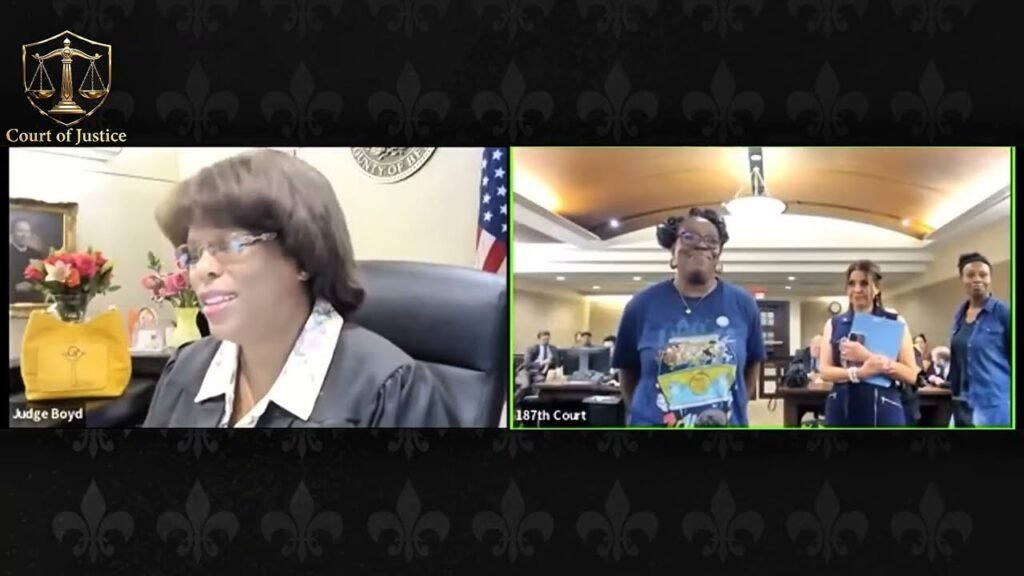
A. The Villamil Plea Hearing (July 2023) — Where the Bench Crossed Into the Bargain
- The legal stakes: Wilberth Villamil was scheduled to plead no contest to aggravated sexual assault of a child, under a negotiated 15-year agreement reached between prosecution and defense — the kind of resolution meant to spare a child victim from testifying.
- What happened on the bench: After indicating she was rejecting the agreement, Judge Boyd asked Villamil directly whether he would instead accept a 20-year term — a question the Commission found improperly inserted the judge into plea negotiations that are constitutionally reserved for prosecution and defense, not the court.
- The tension: The prosecutor on the case had structured the deal specifically to avoid re-traumatizing the victim’s family, who wanted closure. Boyd’s on-record intervention — livestreamed to thousands of viewers who were simultaneously posting comments calling the defendant “sick” — undercut that carefully negotiated balance between statutory sentencing discretion and the human cost of a public trial.
- Outcome: The case was delayed and ultimately transferred to another court.
B. The Henson Probation Revocation Hearing (October 2024) — Off the Record, On the Livestream
- The legal stakes: Thomas Henson faced a probation revocation hearing carrying a potential 20-year sentence.
- What happened on the bench: According to the Commission’s findings, Boyd told the court reporter to go “off the record” for the official transcript — while the YouTube livestream continued rolling. She then addressed Henson in graphic terms about prison sexual violence, warning him he would be “passed around” by other inmates because of his age and appearance.
- The tension: This is the starkest example in the entire case file of the gap between a judge’s discretion to speak plainly to a defendant and the constitutional requirement of patience, dignity, and impartiality. Going “off the record” for the court reporter while remaining on a public livestream also raised a separate, thornier question: whose record is the real one — the sealed transcript, or the version thousands of strangers watched live?
C. The “Book Club” and Open Comments — Transparency or Extrajudicial Conduct?
- Boyd’s channel allowed real-time viewer comments during active proceedings and hosted an informal book club with her audience.
- Defense attorneys complained that open commentary exposed defendants and their families to public insult while their cases were still being decided — commenters called at least one defendant “sick” and argued for harsher sentences in real time, visible to the court, the parties, and potentially future jurors.
- The Commission agreed this crossed a line: judges are barred from making public comments that signal how they’re likely to rule in pending matters, and a running audience commentary track sits uncomfortably close to that boundary.
4. Inside the Mind of the Bench: What the Record Actually Shows
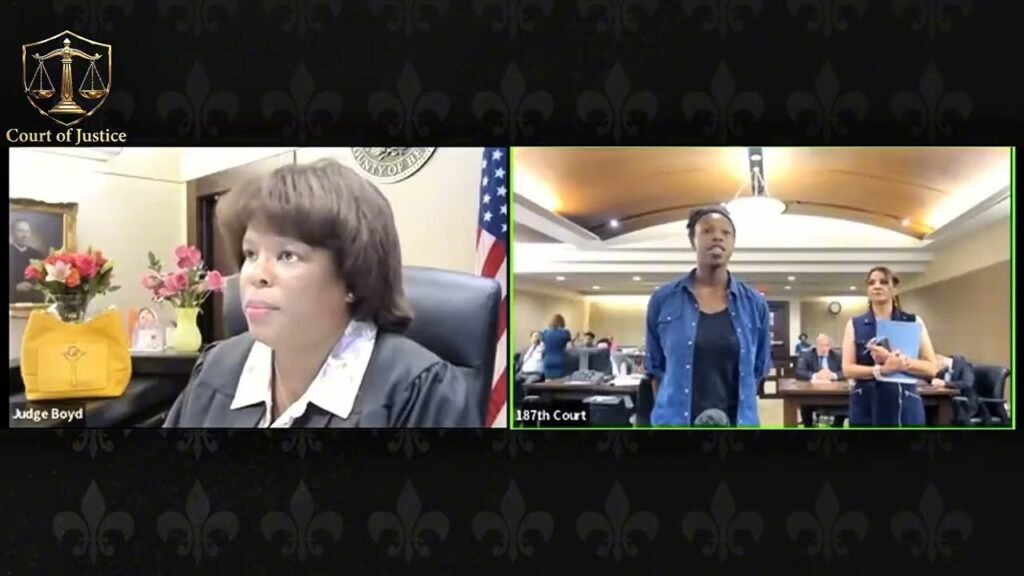
This is the section where hype usually creeps in — but the honest, and more useful, account here is what the Commission’s own findings describe, not a flattering narrative arc.
- Not “tough love” — a documented pattern of findings. The SCJC concluded Boyd failed to maintain professional competence during the Villamil case, failed to be patient, dignified, and courteous toward both Villamil and Henson, and performed her duties with bias or prejudice toward Henson specifically. These are formal legal conclusions under named Canons of the Texas Code of Judicial Conduct (2A, 3B(2), 3B(4), 3B(5), 3B(6)), not subjective color commentary.
- Demeanor, accurately described: Public reporting describes a judge who is direct, unfiltered, and willing to editorialize on the record — traits that can read as candor in some settings but were found, in these specific instances, to cross into prejudicial territory rather than firm neutrality.
- Boyd’s own defense: Through counsel and in sworn statements to the Commission, Boyd maintained she never reviewed or relied on viewer comments when making rulings, and that her decisions were “based solely on the evidence presented and the law.” She has characterized criticism of her livestreaming as overstated.
- The stakes for the profile itself: Because this is a real, sitting elected official under an active disciplinary finding, any accurate profile has to hold both facts at once — her extensive legal background (30-plus years, including work prosecuting child abuse and domestic violence cases, and current teaching duties at UTSA) and the Commission’s specific, sourced conclusions about her conduct in these two hearings.
5. The Digital Impact: Why This Story Resonates Beyond Bexar County
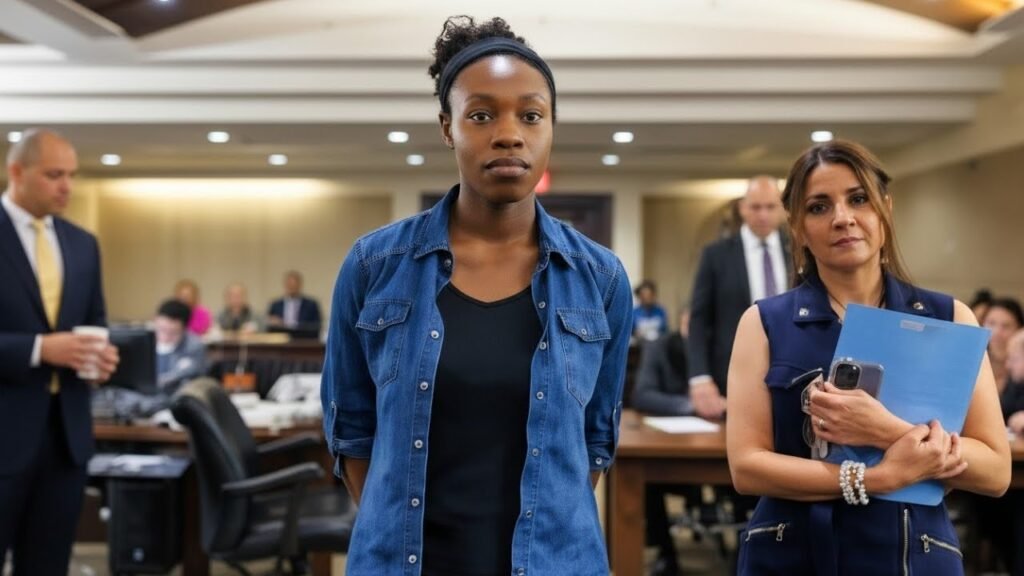
- Transparency’s double edge: Livestreaming courts was originally framed — including by Texas’s own Office of Court Administration, which supplied the channel — as a pandemic-era access tool, letting the public watch justice happen in real time. Boyd’s channel, at times exceeding 50,000+ subscribers, is a genuine case study in that promise.
- Where transparency becomes exposure: The recusal of three felony cases in 2023 — including two indecency-with-a-child matters — shows the practical cost: defense attorneys argued that an open, monetizable comment section turns victims’ and defendants’ worst days into public spectacle, and potentially taints future jurors.
- The political fallout: Boyd lost her March 2026 Democratic primary to challenger Stephanie Franco, who ran explicitly against the livestreaming practice, arguing courtrooms “should be places of justice, not entertainment.” Her term ends December 31, 2026.
- The broader lesson for legal-adjacent digital media: For platforms, journalists, and content creators covering courts — including channels built around real or dramatized judicial figures — this case is a live reminder that the line between “public legal education” and “courtroom-as-content” is being actively litigated, in real disciplinary proceedings, right now. Accuracy and restraint aren’t just editorial preferences; for the judges themselves, they’re enforceable ethical obligations.