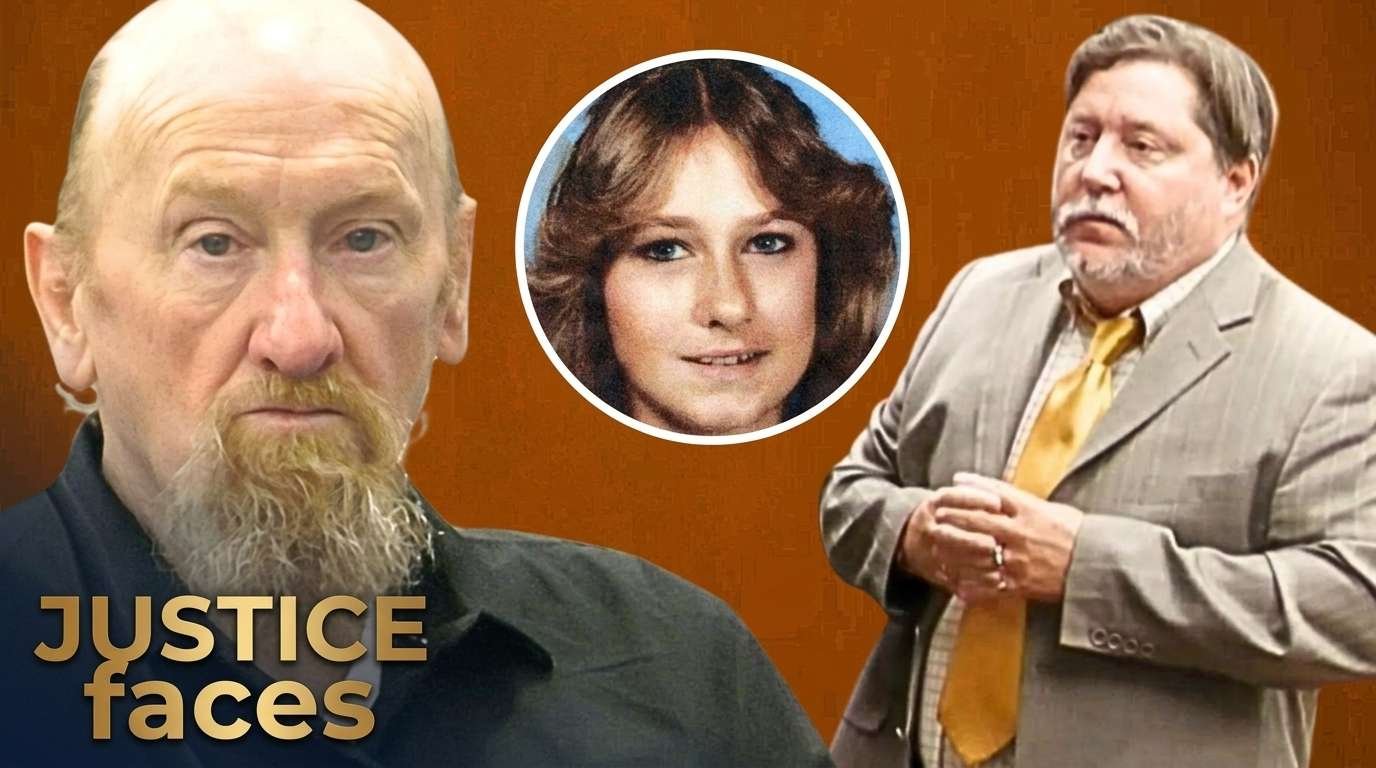
A Galveston County jury has convicted James Dolphs Elmore Jr. of manslaughter in the 1984 death of 16 year old Laura Miller, closing the first chapter of a case that sat unsolved for more than four decades. Jurors also found that Elmore used or exhibited a deadly weapon during the offense. The verdict, returned on September 2, 2026, marks the first criminal conviction directly tied to the deaths of the women whose remains were recovered from a stretch of oil field along Calder Road in League City, an area that became known nationally as the Texas Killing Fields.
Elmore, 61, of Bacliff, was sentenced the following day to the maximum 20 years in prison and fined $10,000. He has signaled his intent to appeal. Separate charges against him, including evidence tampering and possession of child pornography, remain unresolved and are reportedly scheduled for a later trial.
Who Was Laura Miller
Laura Lynn Miller was a 16 year old high school sophomore living in League City with her family, who had recently moved from nearby Dickinson. On September 10, 1984, her mother drove her to a payphone near a local convenience store because the family’s home phone had not yet been connected. Laura planned to call her boyfriend and walk the half mile home afterward.
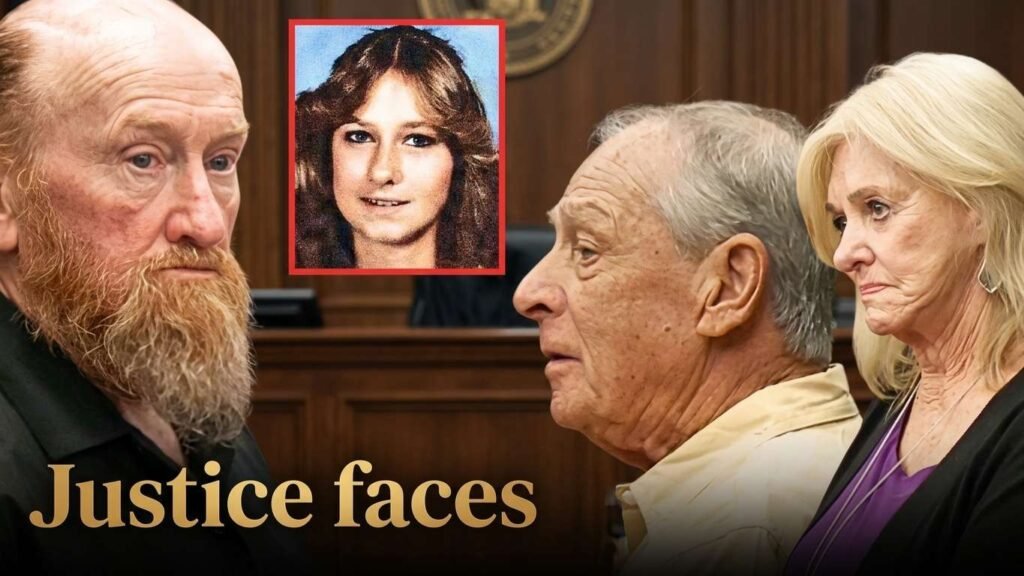
She never returned. Her father, Tim Miller, reported her missing that night. Police initially treated her as a runaway, a response that Miller has said haunted him for years afterward.
Laura’s remains were discovered on February 2, 1986, roughly 17 months after she disappeared, in an oil field off Calder Road. Two boys riding dirt bikes through the field found her remains along with those of a second, then unidentified woman.
The Calder Road Field and the Broader Killing Fields
The phrase “Texas Killing Fields” refers broadly to a wide stretch of land along Interstate 45 between Houston and Galveston, an area associated with dozens of unsolved disappearances and killings over several decades. That distinction matters, because the specific Calder Road site in League City where Laura was found is smaller and more defined than the sprawling regional phenomenon the nickname evokes.
Between 1984 and 1991, the remains of four women were recovered from that particular field: Heidi Fye Villareal, Laura Miller, Audrey Lee Cook, and Donna Prudhomme. The second victim found alongside Laura in February 1986 would not be identified for another 33 years. DNA testing finally confirmed her identity as Audrey Cook, a 30 year old mechanic, in 2019.
Clyde Hedrick, the Original Suspect
For decades, investigators considered Clyde Edwin Hedrick, a longtime Galveston County resident, the prime suspect in the Calder Road deaths. Hedrick had lived close to the Miller family and was linked by investigators to Laura and the other women found in the field.
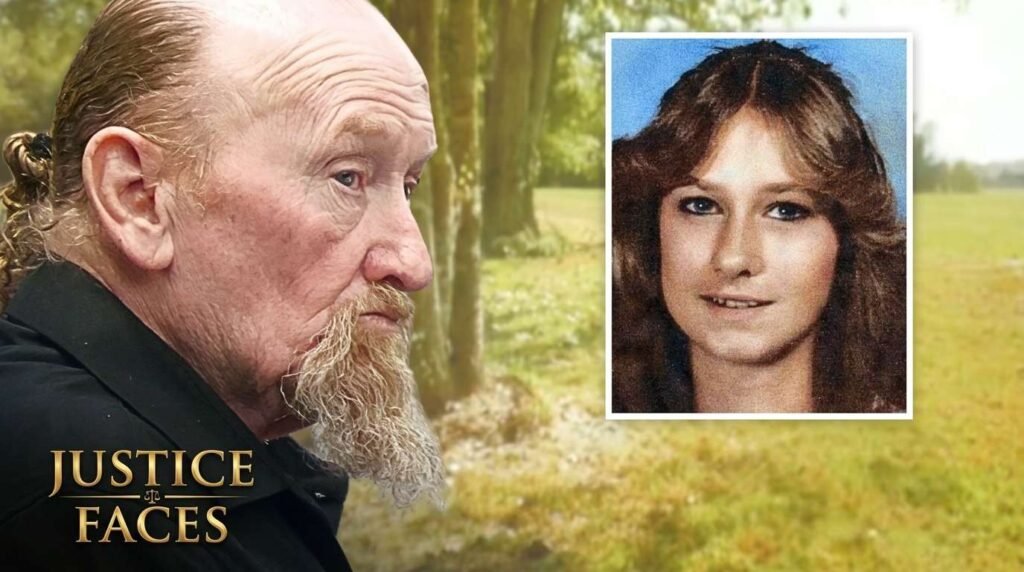
Hedrick’s only criminal conviction connected to the broader case involved a different victim. He was convicted of abuse of a corpse in 1986 in connection with the death of Ellen Beason, a woman who disappeared around the same time as Fye and Miller. In 2014, a jury convicted him of manslaughter in Beason’s death and sentenced him to 20 years; he was later released on parole.
Hedrick was never tried for Laura Miller’s death. By early 2026, the Galveston County District Attorney’s Office was preparing to seek a grand jury indictment against him in connection with the Calder Road victims. He died by suicide in March 2026 while in Texas Department of Criminal Justice custody, before prosecutors could bring that case.
James Elmore Enters the Case
The investigation’s direction changed in 2022, when James Elmore contacted Tim Miller through Texas EquuSearch, the missing persons organization Miller founded after Laura’s disappearance. Elmore told the group he wanted to get something off his chest. Miller was initially skeptical, but agreed to meet with him.
Elmore, according to Miller’s later trial testimony, drove him to the field where Laura’s remains had been found and then to Hedrick’s old house, just two doors down from where the Miller family had once lived. Over the following years, Miller and Elmore met an estimated 20 to 30 times, and Miller began recording their conversations and the drives they took together through locations connected to the case.
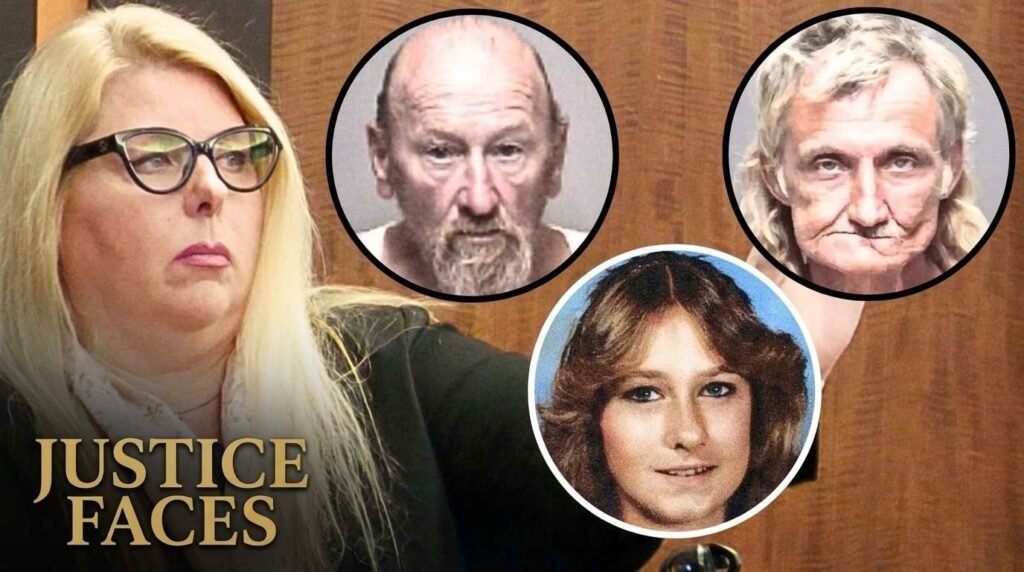
Those recordings became central evidence. In one recorded conversation played at trial, Elmore described using drugs heavily in the 1980s. He also allegedly said he knew about a body in a load of trash Hedrick had once dumped in the same oil field where Laura’s remains were later found.
The Prosecution’s Theory
Prosecutors alleged that Elmore prepared a vial of cocaine, at a party at Hedrick’s house, and that Hedrick then gave it to Laura in a dose strong enough to kill her. According to the state’s theory, Hedrick administered the drug, Laura died from the overdose, and the two men later moved and concealed her body in the Calder Road field.
TX v. James Elmore — Texas Killing Fields Trial — Full Verdict & Sentencing
Assistant District Attorney Adam Poole told jurors during closing arguments that Elmore’s role in preparing the drug was comparable to loading a weapon. Poole said Elmore “might as well have been loading bullets in a gun” when he filled the vial. Prosecutors argued that Elmore did not need to personally inject Laura to bear criminal responsibility for supplying the fatal dose and knowing what it would be used for.
The case’s central evidentiary challenge was forensic. Laura’s remains had been reduced to skeleton by the time investigators revisited the case decades later, making it impossible to run a modern toxicology test confirming a cocaine overdose. Prosecutors instead built their case largely around Elmore’s own recorded statements, Tim Miller’s testimony, and the corroborating details Elmore provided about locations tied to the crime.
The Defense’s Case
Defense attorney William “Bill” Agnew argued that Elmore’s account was not a genuine confession but a story shaped by a financial relationship with Tim Miller. Miller testified that he paid Elmore roughly $33,000 over several years, including a $25,000 reward he had publicly offered for information about Laura’s case.
Agnew argued that prosecutors were using Elmore to answer for killings actually committed by Hedrick, who could no longer be questioned or cross-examined because he was dead. He also pointed out that without Elmore, Tim Miller might still have no answers about what happened to his daughter more than four decades ago.
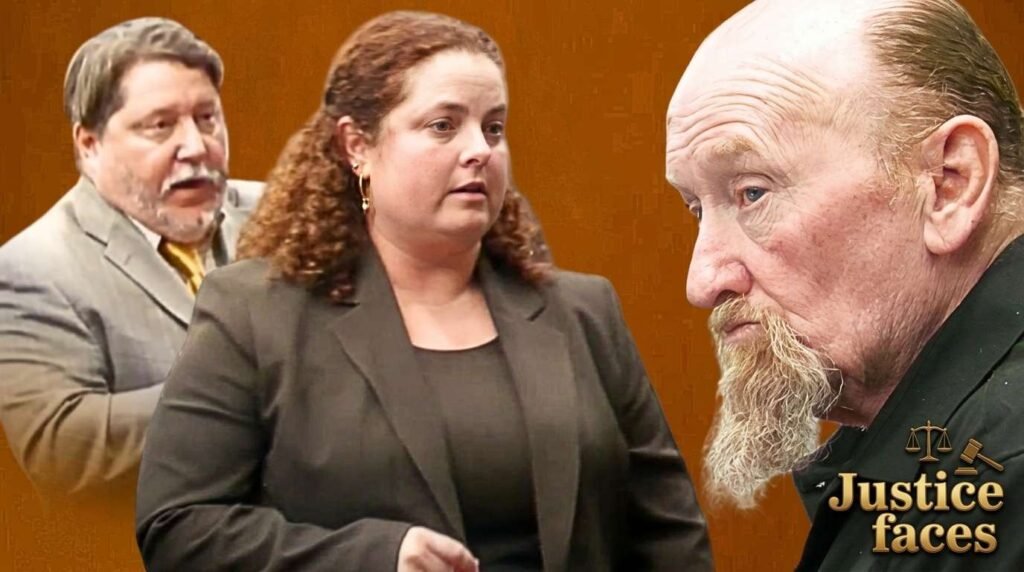
The defense called three of Elmore’s family members, including his sisters, who testified that Elmore was not living in the Galveston County area and did not know Hedrick at the time of Laura’s 1984 disappearance. Prosecutors challenged that timeline during cross examination, and jurors ultimately did not credit it.
An Immunity Dispute Surfaces Mid-Trial
One of the more unusual developments came outside the jury’s presence. Jessica Ebbs, a Galveston County defense attorney who had previously represented Elmore, came forward during the trial with a letter describing a proposed immunity arrangement she said she had negotiated with a prior District Attorney’s administration. Ebbs said she stepped forward after hearing a Hitchcock police detective testify that no immunity deal had ever existed for Elmore.
Ebbs testified that the arrangement was never formalized in a signed document. Judge Jeth Jones of the 122nd District Court said he did not believe the record supported a finding that an agreement existed, and noted that introducing the immunity question at that stage of trial would be confusing for jurors. Agnew did not raise the immunity issue during his closing argument, and it did not halt the prosecution.
Tim Miller’s Testimony
Tim Miller’s testimony was among the most emotional moments of the trial. He recalled the last thing he said to his daughter before she disappeared. “I kissed her and I said, ‘Sis, I’ll see you later tonight,'” Miller testified.
He told jurors that the following hours became the worst of his life, describing how he begged and pleaded with anyone who would listen even before he knew what had happened to Laura. During cross examination, Miller acknowledged that Elmore’s information was the reason the case had finally reached a jury. “We would not be here today,” Miller said, agreeing with that characterization completely.
He also directly addressed Elmore from the witness stand, telling him that he appreciated the help Elmore had provided but still believed “your client was responsible for my daughter’s death.”
The Verdict
Closing arguments concluded on the afternoon of September 2, 2026, after roughly two days of testimony from nine witnesses spanning about 12 hours. The jury of six men and six women deliberated for approximately 48 minutes before returning a guilty verdict on the manslaughter charge, along with a finding that Elmore used or exhibited a deadly weapon in connection with the offense.
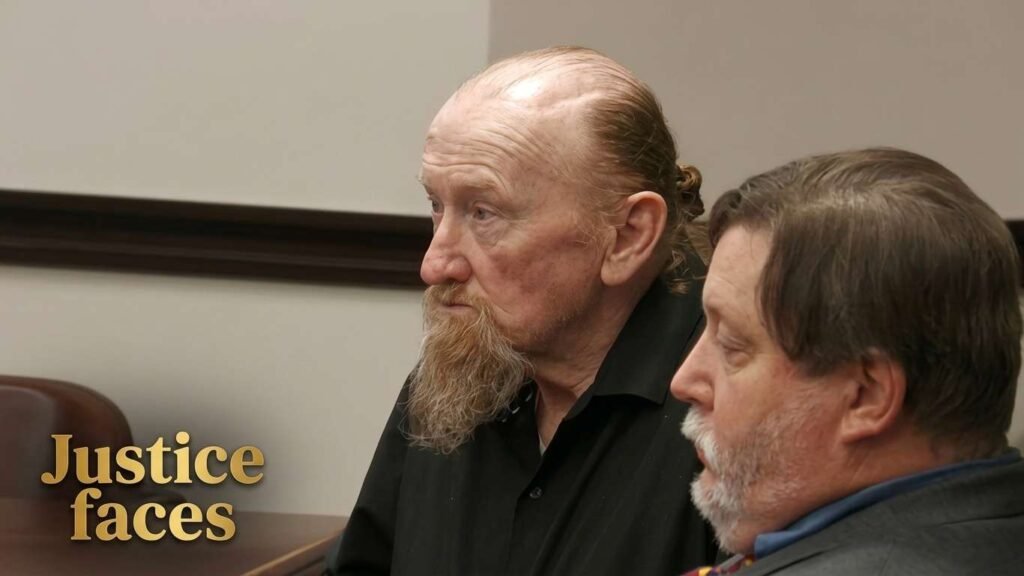
Miller was visibly overcome with emotion as the verdict was read. Speaking to reporters afterward, he described the moment as the end of 42 years of searching, though he rejected the idea that the verdict brought him closure.
Sentencing and the Punishment Phase
The trial moved directly into its punishment phase on September 3, 2026. Jurors heard additional testimony not presented during the guilt or innocence phase, including from a woman named Karey Dotson, who testified that Elmore and Hedrick had attempted to abduct her decades earlier.
Texas Killing Fields Confession Was Only for Money
Texas City Police Detective Larry Williamson testified about child pornography images investigators said were found on Elmore’s phone, and prosecutors displayed 23 of those images to the jury. Assistant District Attorney Katelyn Willis argued that Elmore’s cooperation in solving Laura’s case should not offset that evidence. “What number do you put on the exploitation in the stealing of children’s innocence?” she asked jurors.
Agnew, in his punishment phase closing, asked jurors to weigh Elmore’s cooperation against his history. He argued that Elmore was not entirely without redeeming qualities and that his decision to come forward had ultimately helped solve the case.
The jury deliberated roughly 30 minutes before returning the maximum available sentence, 20 years in the Texas Department of Criminal Justice and a $10,000 fine. During his victim impact statement, Tim Miller addressed Elmore directly.
“I wish you the best. Unfortunately, you’re going to die in prison.”
Miller later said Elmore would not meet his gaze during that statement. Prosecutor Katelyn Willis told reporters after the sentencing that the outcome could not undo what had been lost but represented a measure of accountability.
What the Conviction Does and Does Not Establish
It is important to be precise about what the manslaughter verdict actually means. Elmore was convicted of manslaughter, not murder, and the prosecution’s own theory held that Hedrick, not Elmore, administered the fatal dose to Laura. The jury found that Elmore bore criminal responsibility for preparing and supplying the drug, not that he personally caused her death by his own hand.
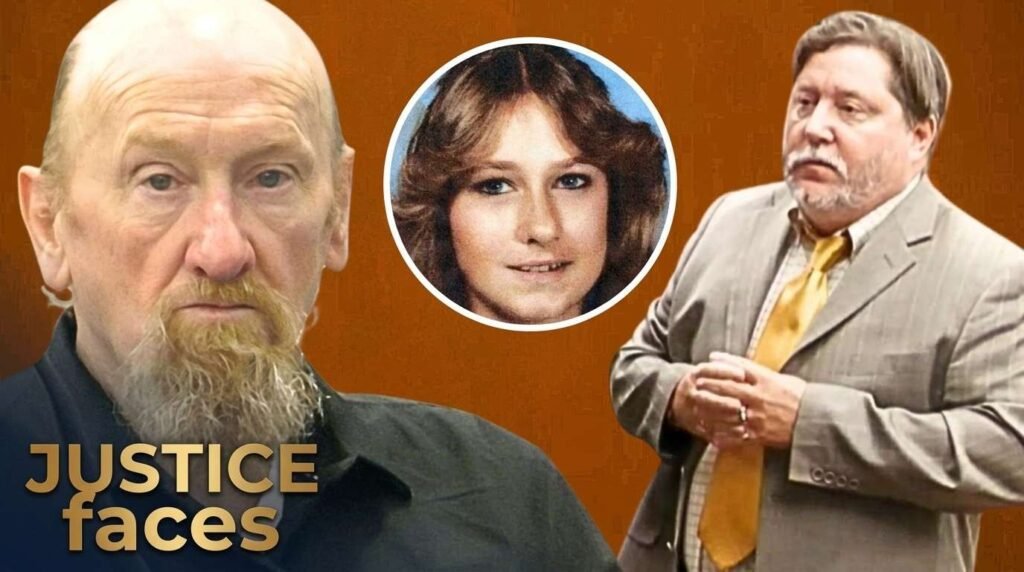
Hedrick, meanwhile, was never convicted of any crime connected to Laura Miller’s death. He died before prosecutors could bring him before a grand jury on the Calder Road cases, and the only conviction tied to his name in this broader saga remains the 2014 manslaughter conviction in the separate death of Ellen Beason.
Charges That Remain Pending
The September trial resolved only the manslaughter count and its deadly weapon finding. Elmore was also indicted in March 2026 on two felony counts of tampering with evidence, one connected to concealing Laura Miller’s remains and one connected to Audrey Cook’s remains. He additionally faces a separate charge of possession of child pornography tied to the images shown during the punishment phase.
Those charges were not resolved by the September verdict, and reporting has indicated a separate trial on the remaining counts could follow later in the year. Because those cases have not gone to trial, the underlying allegations remain accusations rather than proven facts, and Elmore is legally presumed innocent of them at this stage.
Possible Release Timeline
Because Elmore’s deadly weapon finding was tied to a 1984 offense, Texas parole rules applicable to older cases come into play, and some reporting has indicated Elmore could become eligible for parole on the manslaughter sentence after serving roughly half of the 20 year term. That is a possible eligibility date, not a guaranteed release date, and it does not account for how any conviction on the pending tampering or child pornography charges could affect his custody status.
The Appeal
Elmore has indicated that he intends to appeal the manslaughter conviction. An intention to appeal is not the same as a successful appeal, and no appellate court has yet reviewed the case. The conviction and sentence currently stand as entered by the trial court.
Why the Case Matters
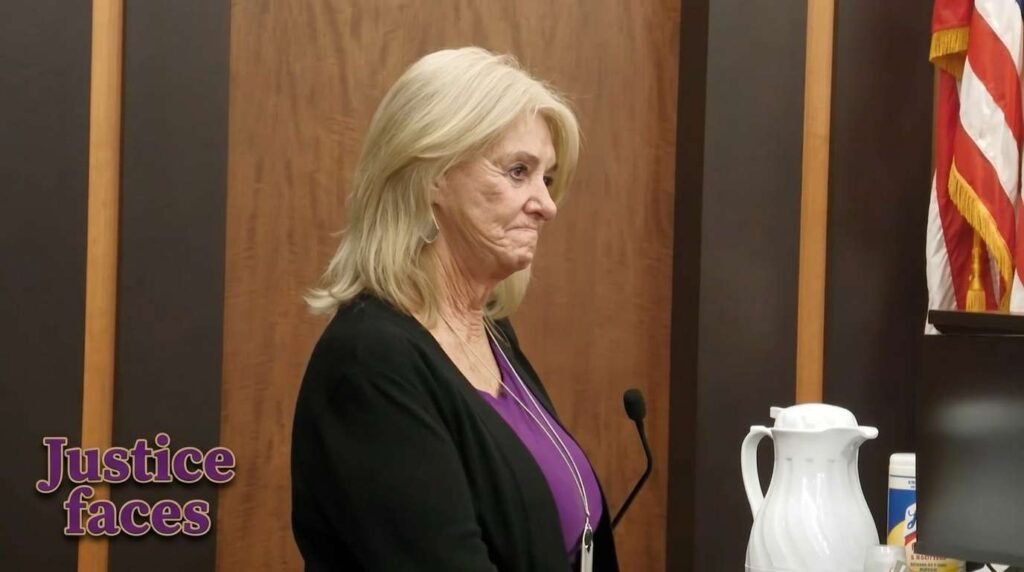
The Elmore verdict is significant for several reasons. It represents the first criminal conviction obtained in connection with any of the four Calder Road deaths, more than four decades after the first of those women disappeared. It also closes out, at least for now, the possibility of a trial against Hedrick, who died before facing the accusations investigators had built against him.
The case is also notable for how it came together. Rather than being built on modern forensic breakthroughs, it rested heavily on a relationship that developed between a grieving father and a man who approached him voluntarily, and on recordings Miller made of their conversations over several years. Tim Miller’s decades of advocacy, including his founding of Texas EquuSearch, also gave the case a public profile it might not otherwise have had.
Frequently Asked Questions
What was James Elmore convicted of? Elmore was convicted of manslaughter and a deadly weapon finding in the 1984 death of Laura Miller. He was not convicted of murder.
Did Elmore admit to killing Laura Miller? According to trial evidence, Elmore said he prepared the cocaine that was given to Laura, but the prosecution’s own theory held that Clyde Hedrick administered the drug to her.
Who was Clyde Hedrick, and was he convicted? Hedrick was long considered the prime suspect in the Calder Road deaths. He was never convicted in Laura Miller’s death and died by suicide in March 2026 before facing a grand jury on the case. His only related conviction was a 2014 manslaughter conviction in the separate death of Ellen Beason.
How long was Laura Miller missing before her remains were found? Laura disappeared on September 10, 1984, and her remains were found on February 2, 1986, approximately 17 months later.
Were other victims connected to this case? Yes. The remains of four women, Heidi Fye Villareal, Laura Miller, Audrey Cook, and Donna Prudhomme, were found in the same Calder Road field between 1984 and 1991.
What sentence did Elmore receive? Elmore received the maximum available sentence for manslaughter, 20 years in prison, along with a $10,000 fine.
Does Elmore face any other charges? Yes. He faces separate, unresolved charges of tampering with evidence connected to both Laura Miller and Audrey Cook, as well as a charge of possession of child pornography.
Is Elmore appealing his conviction? He has indicated that he intends to appeal, but no appellate ruling has been issued, and the conviction currently stands.
Conclusion
More than four decades after Laura Miller disappeared from a League City payphone, a jury has held someone criminally responsible for her death, even as significant parts of the broader Calder Road story remain unresolved. James Elmore’s manslaughter conviction gives Tim Miller a measure of the accountability he spent most of his adult life pursuing, but it does not answer every question surrounding the four women found in that field, and it does not close the additional felony cases still pending against Elmore. For Laura Miller’s family, the verdict is an ending of sorts. For the broader Texas Killing Fields case, it is only one chapter in a story that is still not fully told.