The murder trial of David Wesley Prevatte began in Pender County Superior Court in Burgaw, North Carolina, with a jury sworn in, two sharply opposed opening statements, and the first round of medical testimony about the death of five-year-old Paitin Fields. Prevatte, now 27, is charged with first-degree murder, statutory rape of a child by an adult, and statutory sexual offense with a child by an adult. The charges relate to events on November 13, 2017, when Paitin was five and Prevatte, her uncle, was 19.
Prosecutors told jurors that Prevatte sexually assaulted and strangled the child while staying at the family home. The defense told jurors he is innocent, that he tried to save her life, and that investigators fixed on him too early. Neither side’s account is evidence, and Prevatte has not been convicted of anything in this case.
Case Background
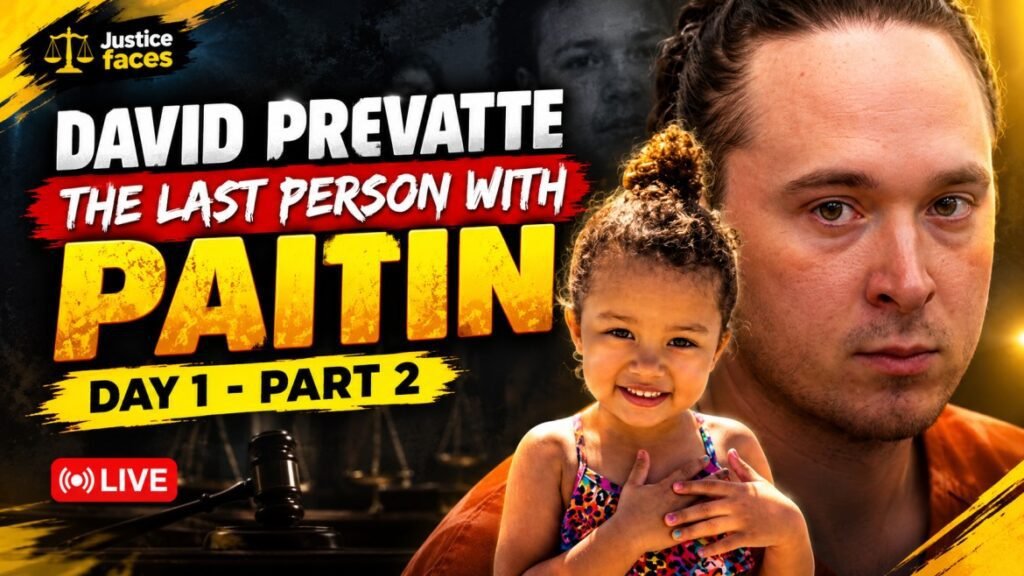
Paitin Fields was five years old when she was taken to Pender County’s emergency room in the early hours of November 13, 2017. She was declared brain dead the following day, and her organs were donated on November 15, according to the case summary provided for this article.
Prevatte was publicly named as a suspect in June 2018, but no murder charge followed for years. In February 2022, the Pender County Sheriff’s Office announced warrants for first-degree murder and child sex offenses, and Prevatte was arrested in Bayou Blue, Louisiana. The case has now reached a jury, years after Paitin’s death.
What Happened on Day 1
The first day covered the core procedural steps of a jury trial. A jury was impaneled and sworn, then each side delivered an opening statement. Testimony began afterward, starting with video from the hospital and then medical professionals who treated or examined the child.
The prosecution said it plans to call roughly 30 witnesses, including medical staff, family members, and forensic analysts. That figure comes from the state’s opening and may change as the trial develops. The defense is represented by attorney Luther Britt III.
The State’s Opening Statement
Prosecutors laid out a timeline that begins days before the incident. According to the state, Prevatte had recently moved back into the family home, around November 10. On the night in question, Paitin and her sister Savannah, who was seven, were sleeping on the couch.

The state said Savannah woke around 3:00 AM and saw the defendant near the couch. Later, Paitin was found unresponsive. Prosecutors said hospital surveillance video shows Prevatte running into the Pender emergency room at about 3:50 AM carrying the child, who was limp and wearing only soiled underwear.
Prosecutors then previewed the medical evidence. They said ER nurses immediately noticed marks around Paitin’s neck and extensive petechiae, which are tiny burst blood vessels, on her face and neck. They described these findings as consistent with strangulation. They also said examinations at the pediatric intensive care unit in Wilmington documented acute injuries to the genital and anal areas.
The state pointed to one item of physical evidence: a pair of red earbuds found in Prevatte’s room. Prosecutors suggested the earbuds could have been used as a ligature, meaning something used to compress the neck. That is an allegation about what the item may have been used for, not a finding by the court.
The Defense’s Opening Statement
Britt told the jury that Prevatte is completely innocent. The defense’s version is that Prevatte was awakened by screams, tried to perform lifesaving measures, and rushed Paitin to the hospital.

The defense went on to take on the state’s expected evidence point by point.
On DNA, the defense said Paitin urinated and defecated during the trip to the hospital, and that this explains DNA mixtures found on Prevatte’s clothing. It also pointed out that no male DNA was detected on the swabs taken from the child’s genital area.
On the earbuds, the defense said the DNA found on them was concentrated on the tips, not on the cord. If the cord had been wrapped around a child’s neck, the defense argued, one would expect to find DNA there. The defense added that the autopsy doctor had previously suggested a belt or leash was a more plausible explanation for the neck marks than an earbud cord.
On the sister’s account, the defense told jurors that Savannah’s statements have changed over the years. It suggested adults or investigators may have coached her. The defense also accused law enforcement of tunnel vision, describing the investigation as a witch hunt aimed at a 19-year-old without adequate evidence.
Competing explanations for physical evidence are a recurring feature of criminal trials. This article also examines how prosecutors and defense attorneys present competing theories at trial
Key Testimony and Evidence From Day 1
The Emergency Room Surveillance Video
Jurors watched surveillance footage showing Prevatte running through the doors of the Pender emergency room while carrying an unconscious child. The video established the manner of arrival. What it does not do, by itself, is show what happened before the doors opened, which is the central dispute in the case.
Pender County ER Nurses and Doctors

Emergency staff testified that Paitin arrived unresponsive, wearing only wet, soiled underwear. They described signs of severe trauma, including ligature marks on the neck, extensive petechiae on the face, and pupils that were fixed and dilated.
The witnesses also walked jurors through the treatment the child received, including IV lines, intubation, a catheter, and a rectal thermometer. They testified that standard medical equipment and procedures did not cause the genital injuries. That testimony speaks to a question the defense may raise, namely whether hospital care could account for some of the injuries.
The Sexual Assault Nurse Examiner Coordinators
Nurse coordinators from the Wilmington pediatric intensive care unit, who are trained as Sexual Assault Nurse Examiners (SANEs), described injuries to the genital and anal areas that they said were consistent with penetrative blunt force trauma. They testified the injuries were acute and unhealed, and that they were not pre-existing conditions or artifacts of medical procedures.
The nurses also described collecting evidence, including swabs and fingernail clippings. The supplied material does not say what laboratory testing later found on those items, so that remains for later witnesses.
The Most Important Moments From Day 1
Two Competing Timelines Take Shape
The most important feature of Day 1 was the clash between the two openings. The prosecution described a child who was harmed while sleeping on the couch and a defendant seen nearby at 3:00 AM. The defense described a young man jolted awake by screams who did everything he could to save her.
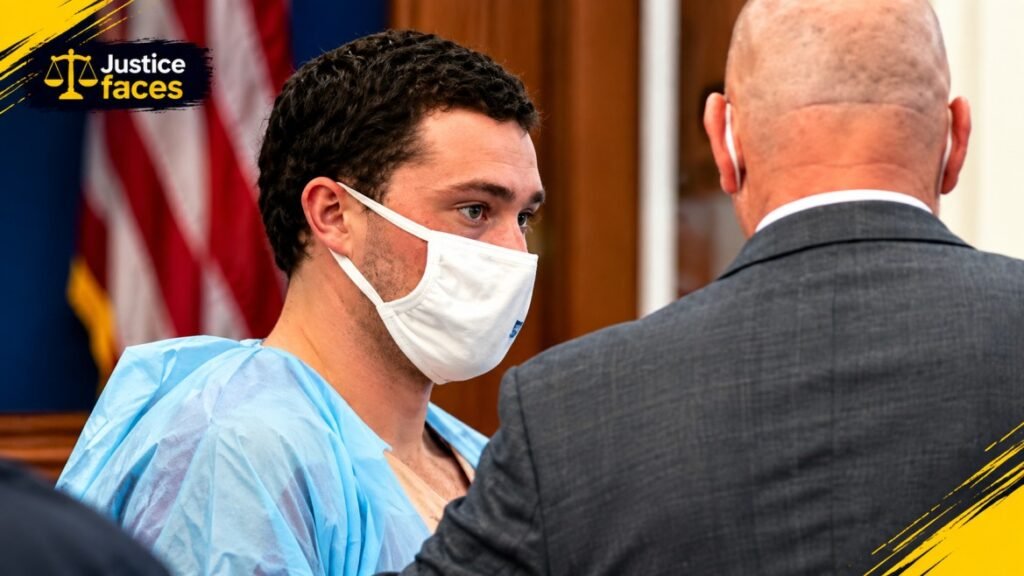
Both accounts agree on one fact: Prevatte carried Paitin into the emergency room. The trial will largely be about what came before that moment.
The medical and forensic evidence will be central to the jury’s assessment of the competing accounts. Readers can also explore https://justicefaces.com/kianna-davis-toddler-murder-trial/
Medical Staff Rule Out Hospital Equipment
The ER testimony that standard equipment did not cause the genital injuries may become one of the day’s most consequential points. It closes off one possible explanation before the defense has presented its own case. The supplied material does not describe the defense’s cross-examination, so it is not clear how the defense challenged these witnesses.
The Defense Frames the DNA Evidence in Advance
The defense used its opening to explain DNA evidence jurors have not yet fully heard. By offering an explanation for DNA mixtures on the clothing and by emphasizing the absence of male DNA on one set of swabs, it signaled that forensic evidence will be a major battleground.
The Role of the Judge

The material supplied for this article does not identify the presiding judge and does not include any statements, rulings, or objections from the bench. For that reason, this report does not characterize how the court responded to either side. Those details can be added once the trial record or video confirms them.
Legal Issues Explained
Opening statements are not evidence. Each side uses its opening to preview what it expects to prove. Jurors are expected to decide the case based on testimony and exhibits, not on what lawyers say at the start.
Presumption of innocence. A defendant is presumed innocent, and the state carries the burden of proving every element of each charge beyond a reasonable doubt. The defense does not have to prove anything. Being charged, or even named as a suspect for years, is not proof of guilt.
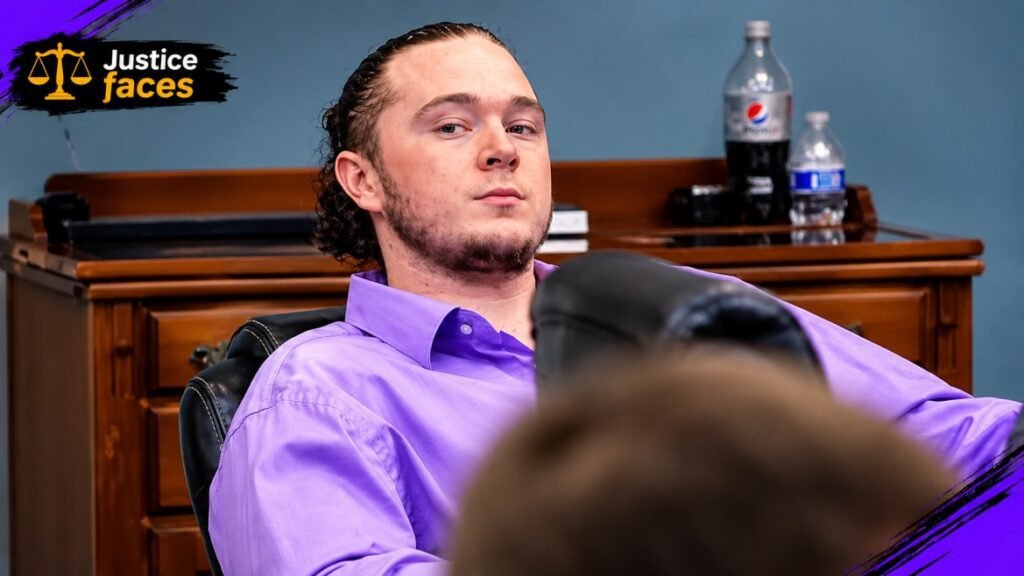
Statutory rape of a child by an adult. In general terms, North Carolina’s statutory offenses involving children turn on the ages of the people involved, not on whether the child could have agreed. The state must still prove the act occurred and that the defendant committed it.
Ligature and petechiae. A ligature is an object used to compress the neck. Petechiae are tiny red or purple spots caused by burst capillaries, and medical witnesses often discuss them in cases involving suspected strangulation. Jurors will have to weigh what these findings show and what they do not.
DNA mixtures and transfer. A mixture means DNA from more than one person was found in the same sample. Because DNA can be transferred in many ways, the question jurors will face is usually not only whose DNA is present, but how and when it got there.
What Happens Next
The trial continues. The state has said it expects to call about 30 witnesses, so jurors are likely to hear much more from medical staff, family members, and forensic analysts. The supplied material does not include a trial schedule or an expected end date, so none is given here.

Future testimony from Savannah, if she is called, and from forensic analysts will be closely watched, since the defense has already challenged both areas in its opening.
Current Case Status
David Wesley Prevatte is on trial and is presumed innocent. He is charged with first-degree murder, statutory rape of a child by an adult, and statutory sexual offense with a child by an adult. No verdict has been reached, and no ruling on guilt has been made.
Frequently Asked Questions
What is the David Prevatte trial about? Prevatte is accused of sexually assaulting and killing his five-year-old niece, Paitin Fields, in November 2017 in Pender County, North Carolina. He denies the allegations through his attorney.
What is David Prevatte charged with? He faces first-degree murder, statutory rape of a child by an adult, and statutory sexual offense with a child by an adult.
Where is the trial being held? It is being held in Pender County Superior Court in Burgaw, North Carolina.
What did prosecutors argue on Day 1? They said Prevatte assaulted and strangled the child at the family home, that her sister saw him near the couch around 3:00 AM, and that medical findings and the red earbuds support the state’s theory.
What did the defense argue? Defense attorney Luther Britt III said Prevatte is innocent and tried to save the child. The defense questioned the DNA evidence, the earbuds theory, and the reliability of the sister’s statements, and accused investigators of tunnel vision.
What evidence did jurors see or hear on Day 1? Jurors watched emergency room surveillance video and heard from ER nurses and doctors and from SANE nurse coordinators about the child’s condition and injuries.
Has the jury reached a verdict? No. The trial had only just begun, and the jury has not deliberated.
How old was David Prevatte at the time? He was 19 at the time of the incident and is now 27.
What happens next? The state will continue calling witnesses. The supplied material does not give a schedule or a date for a verdict.
Conclusion
Day 1 set out the two competing versions of events that the jury will now have to test against the evidence. The state’s version depends on medical findings, a young sibling’s account, and physical and forensic evidence. The defense’s version depends on innocent explanations for the DNA, doubts about the earbuds theory, and doubts about how the case was investigated.
Much remains unresolved, including what the forensic analysts will say, whether Savannah testifies, and how the defense will confront the medical witnesses. For now, the only certainty is that the case has moved from years of investigation to a jury trial.