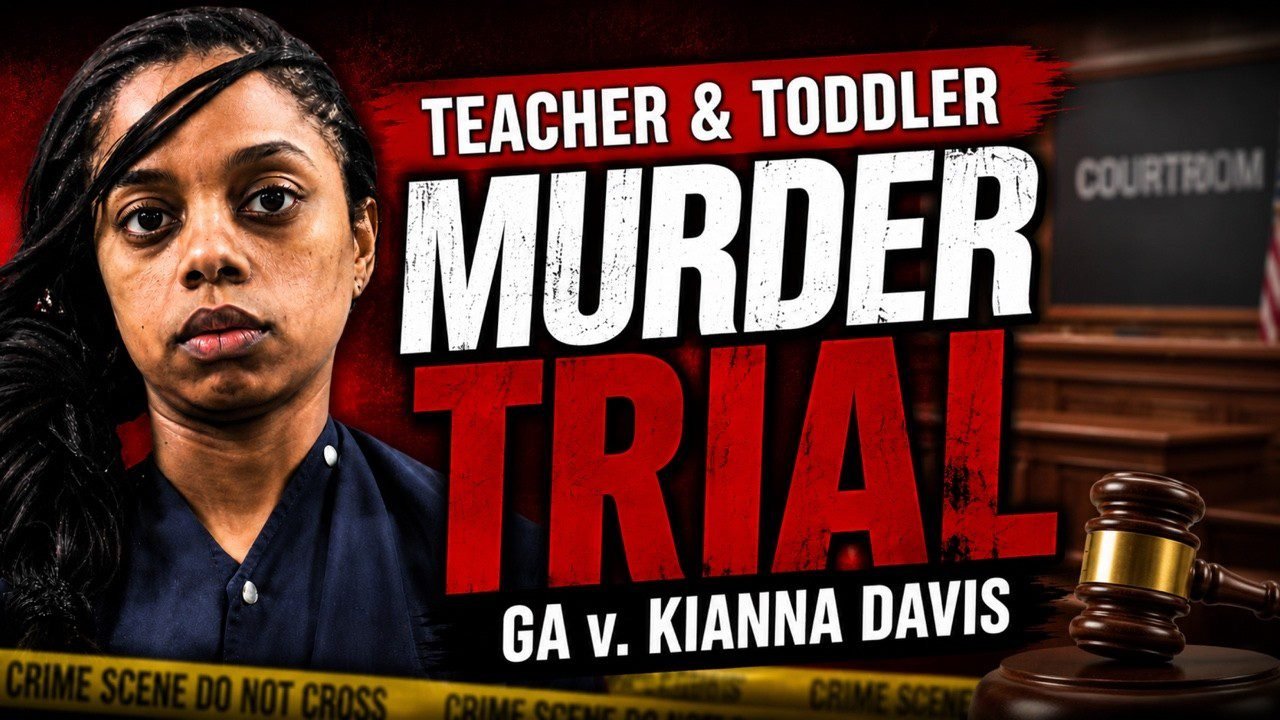
A Houston County courtroom reached its breaking point on Friday. After three days of deliberation, a jury told Superior Court Judge Katherine Lumsden they were hopelessly split. Judge Lumsden declared a mistrial, and the case against Kianna Davis — the former high school teacher accused of killing her 2-year-old son — remains legally unresolved.
Davis, 35, once taught at Seckinger High School in Gwinnett County. She now faces seven charges in Houston County, including malice murder, felony murder, second-degree murder, cruelty to children, and aggravated assault, in the 2020 death of her son, Karter Ambrose. She has pleaded not guilty, and under Georgia law she remains presumed innocent unless a future jury finds otherwise.
The prosecution’s theory rested entirely on circumstantial evidence. No witness ever testified to seeing Davis or anyone else harm the toddler. Instead, prosecutors built their case around a medical timeline, forensic findings, and what they characterized as a delayed response to a dying child.
The Forensic Clock
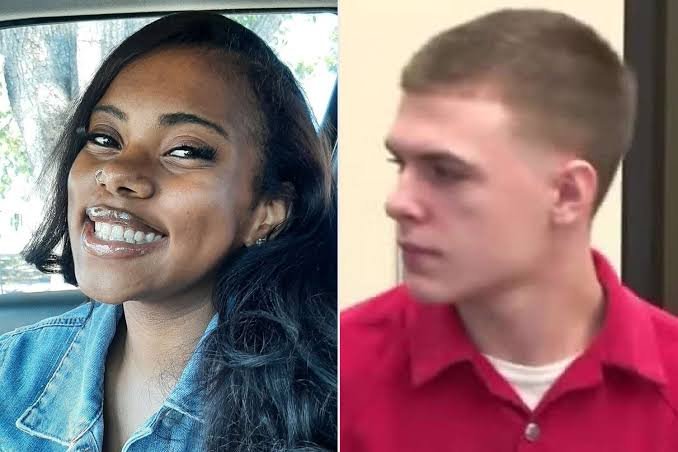
According to the state’s presentation, Karter became visibly ill on a Monday afternoon in November 2020, complaining of stomach pain and vomiting after lunch. The family reportedly did not treat the symptoms as an emergency at first. By the time he was rushed to a pediatrician’s office on November 17, 2020, staff performing CPR could not save him.
The Georgia Bureau of Investigation’s medical examiner ruled the death a homicide. The stated cause was blunt force trauma to the abdomen, which produced a fatally lacerated liver along with lacerations to the pancreas. Prosecutors argued this contradicted any account involving a routine stomach bug or a minor household accident.
“This is a homicide. No doubt about it.”
That line, delivered by the prosecution during trial, captured the state’s central argument: whatever caused Karter’s injuries, they said, was not natural and not accidental.
Davis took the stand in her own defense. She wept as she denied ever hurting her son, telling jurors she trusted no one but herself and her then-boyfriend, Kiyon Benton, to care for him. She said she did not know what caused his injuries. Benton, who prosecutors allege was also caring for the child around the time the fatal injuries occurred, faces his own separate trial later this year.
The defense leaned on the absence of direct evidence. No one, they argued, could say with certainty who caused the injuries, or exactly when, or how — a gap the state’s own attorneys acknowledged during opening statements, telling jurors they could not identify with certainty whether Davis, Benton, or both were responsible.
Chaos in the Jury Room

Deliberations before Judge Lumsden unraveled fast. Early notes described a “combative” atmosphere, with one juror reportedly declaring she would not change her mind “in a million years.” A separate note escalated things further, alleging one juror was harassing another over how she planned to vote.
Judge Lumsden sent the jurors home for a cooling-off period rather than risk pressuring a verdict out of a fractured panel. She ordered them not to follow media coverage of the case on local networks or elsewhere before returning to finish deliberations.
It didn’t help. When the panel came back, the fractures hadn’t healed — they’d hardened.
The Ladder of Counts
The final numbers, read aloud in court, showed just how close and how far the jury was from agreement. On cruelty to children in the second degree, jurors split 11 to 1. On the first-degree version of that same charge, they were split 9 to 3 the other way. Malice murder came back 3 to 9. One felony murder count was deadlocked 4 to 8, while a second was split 1 to 11. Aggravated assault and second-degree murder each landed at 7 to 5.
Seven charges, seven different splits — and not one unanimous verdict among them. Judge Lumsden noted jurors had indicated further deliberation on Monday would produce the same deadlock, and with that, she excused the jury and declared a mistrial.
What Comes Next
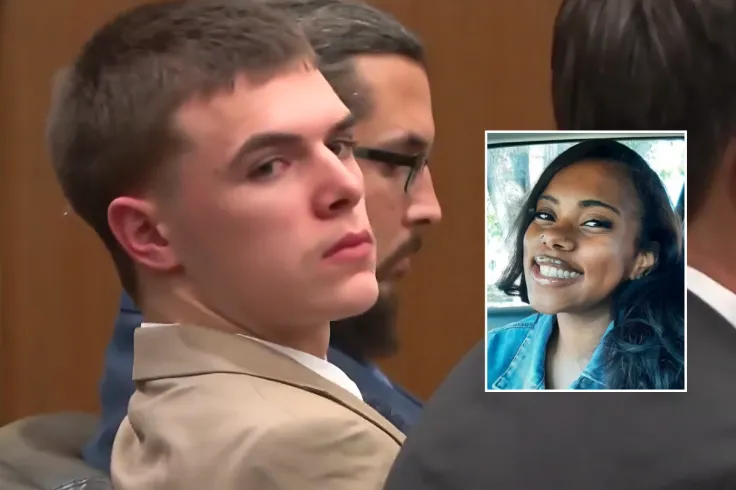
A mistrial is not an acquittal, and it is not a conviction. It leaves the case exactly where circumstantial child-death cases often end up when a jury can’t reach consensus: open, unresolved, and back in prosecutors’ hands. Houston County District Attorney Eric Edwards has said his office intends to retry the case whenever the court schedules it again.
In the meantime, attention shifts to Kiyon Benton, whose own trial in connection with Karter Ambrose’s death could begin as early as November. Whatever happens there may shape how — or whether — Davis faces a jury a second time.
For now, no one has been held legally responsible for Karter Ambrose’s death. The case that has already stretched nearly six years from his death to a first trial is, once again, waiting. Also check the first day trial of this case.