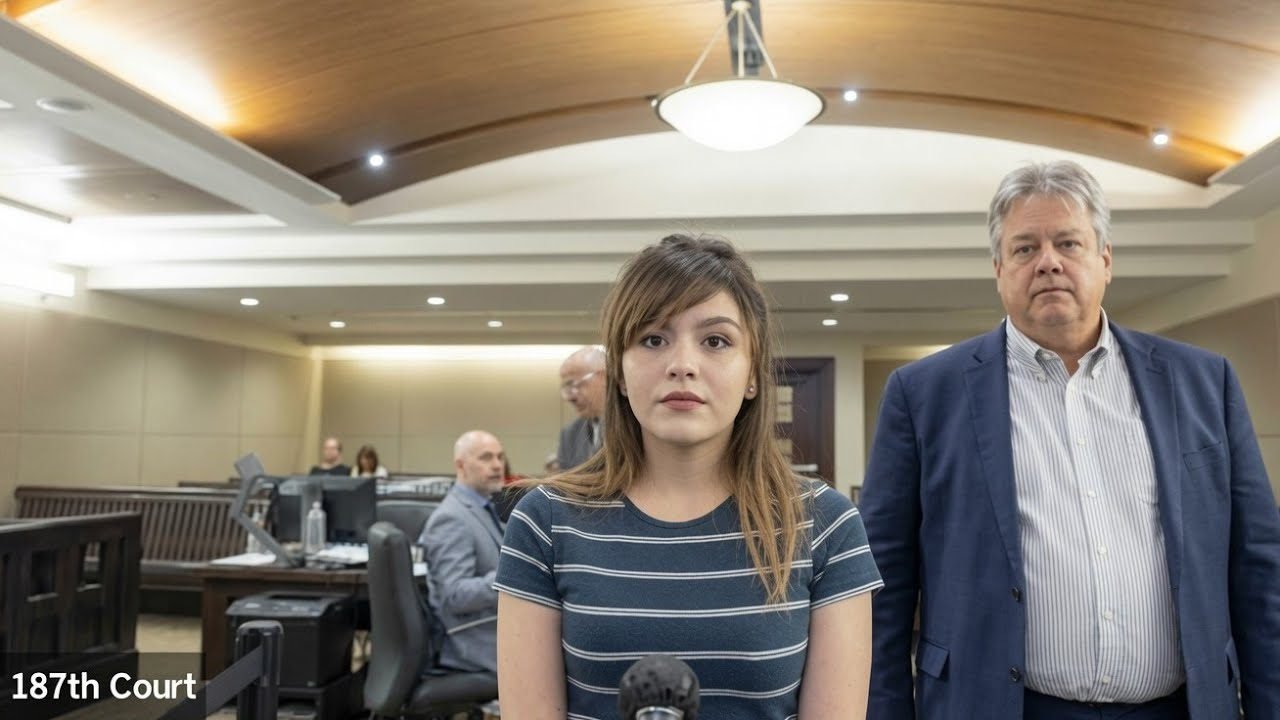
The Sentencing Hearing Conflict
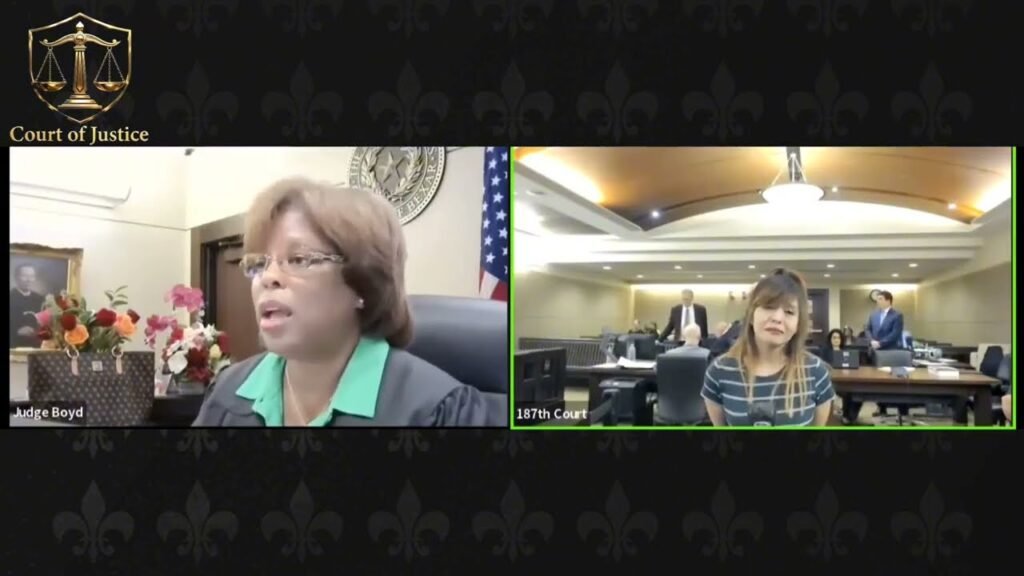
Missy Torres appeared before Judge Stephanie Boyd of the 187th Criminal District Court in Bexar County for a sentencing hearing tied to a charge of possession of a controlled substance with intent to deliver. The substance at issue was methamphetamine.
Torres, described in the proceeding as a mother of three, sought deferred adjudication. Her defense argued for placement in an outpatient drug treatment program rather than incarceration, framing her legal exposure as the product of personal addiction rather than distribution.
That argument lost ground quickly. Under direct questioning from the bench, Torres acknowledged having used methamphetamine in the days immediately preceding the hearing. She further stated that she had arrived at the courthouse while still under its influence.
The admission changed the posture of the hearing. A request built on a rehabilitation narrative was now being made by a defendant who, by her own account, was actively impaired in front of the judge deciding her sentence. Available footage does not indicate whether the court ordered any on-the-spot intervention, such as a drug test, following the admission.
Evidentiary Analysis: The “Personal Use” Threshold
The prosecution’s case rested on physical evidence recovered at the time of Torres’s arrest, which was presented to rebut the defense’s personal-use framing.
- The container: A branded cosmetics bag, described in proceedings as a Paris Hilton–branded makeup bag, was used to conceal the items below.
- The narcotic: Approximately 27 grams of methamphetamine was recovered from inside the bag.
- Distribution indicators: A digital scale and multiple empty plastic baggies were recovered alongside the narcotics.
Twenty-seven grams is a quantity that, on its own, does not conclusively establish intent to distribute under Texas law — quantity is one factor among several a court can weigh. What shifted the analysis in this hearing was the combination of quantity with paraphernalia. A digital scale and baggies are items law enforcement and courts commonly treat as indicators of distribution activity, since they serve no clear function in simple personal consumption.
Torres’s response, according to the hearing, was that she purchased the methamphetamine in bulk for her own use, reasoning that a larger single purchase was more economical and reduced her risk of being shorted by a street-level dealer. She maintained that all 27 grams was for personal consumption and that the scale and baggies did not reflect an intent to sell.
Current Standing and Legal Context

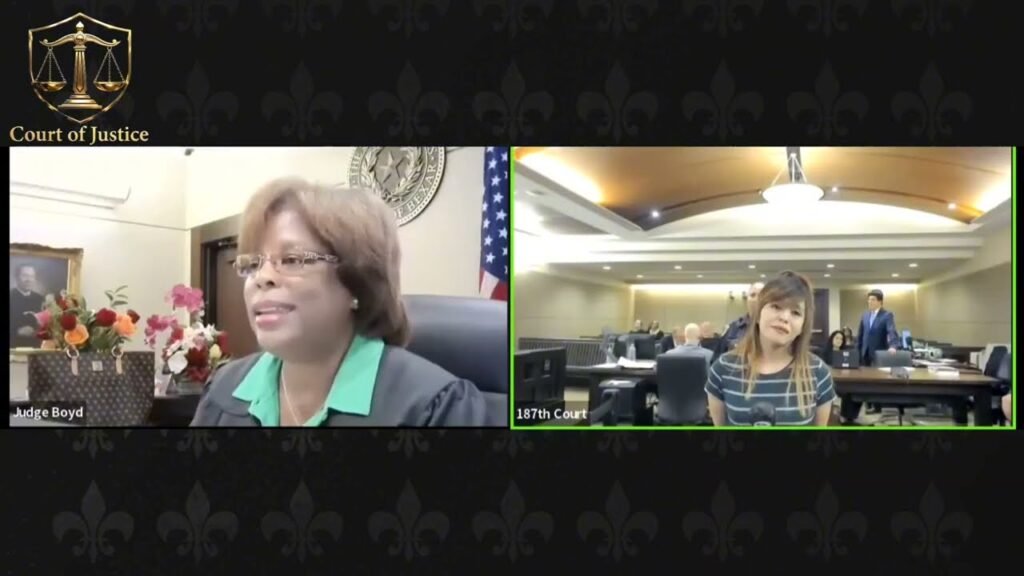
Judge Boyd’s questioning, as reflected in the available footage, focused on reconciling the bulk-purchase explanation with the presence of the scale and baggies — tools with limited utility for someone who intends only to use a substance rather than portion and distribute it. The footage shows the court treating that combination as difficult to square with a purely personal-use account, though the publicly available record reviewed for this article does not include the court’s final stated findings or the sentence ultimately imposed.
Because this article relies on circulated video rather than a confirmed docket entry, several outcomes remain unconfirmed at the time of writing: the final sentence, whether Torres’s deferred adjudication request was granted in any form, and whether the “Missy Torres” identification matches the defendant’s legal name of record. JusticeFaces will update this piece once those details are verified against Bexar County court records.