A Provo courtroom spent five days in July 2026 working through the evidentiary backbone of one of the most closely watched murder cases in recent American history. Prosecutors laid out DNA reports, surveillance footage, and a trail of text messages. Defense attorneys pushed back on nearly all of it.
By the time the hearing paused, no verdict had been reached — because none was up for debate yet. This was a probable cause hearing, not a trial. Judge Tony Graf’s only job at this stage is to decide whether the state has shown enough evidence for the case to move forward.
Tyler James Robinson, 23, faces seven charges connected to the September 10, 2025, shooting death of conservative activist Charlie Kirk at Utah Valley University. The lead charge, aggravated murder, is a capital offense. Prosecutors have said they intend to seek the death penalty. Robinson has not entered a plea.
The Campus Assassination and the Search for the Murder Weapon
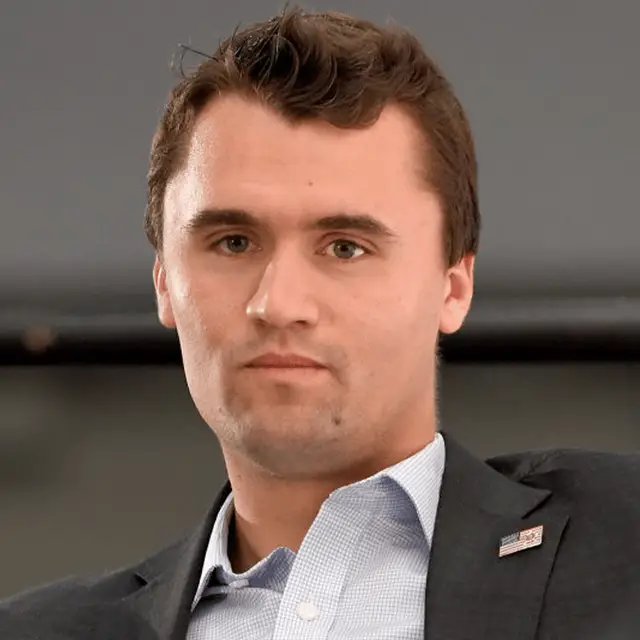
Kirk was shot once in the neck while taking questions from a crowd of several thousand people under a tent at UVU’s amphitheater in Orem. He was declared dead after being taken to a hospital.
Investigators traced the shot to the roof of the Losi Building, which had a direct sightline to the tent. Testifying officers described a firing position on the roof and recovered a screwdriver nearby, evidence tied to how the roof access point was breached.
The suspected murder weapon — a bolt-action rifle — was later found wrapped in a towel in a wooded area near campus. It held one spent cartridge casing. Prosecutors presented ATF and DNA testing that they say connects Robinson to the rifle and the towel. His defense team has repeatedly challenged those conclusions.
The Recorded Roommate Interview and the Days After
Much of the hearing’s most difficult material came from Lance Twiggs, Robinson’s roommate and romantic partner, who was granted immunity in exchange for his statements to investigators. His recorded interview was played for the court, redacted at the defense’s request over the objections of Kirk’s family and media attorneys, who had pushed for it to be shown in full. Judge Graf did not grant that request — he ruled that not all evidence would be broadcast publicly, citing the need to protect both the victim’s family and Robinson’s right to a fair trial.
In the interview, Twiggs described Robinson as erratic the day after the shooting — pacing, trying to keep busy. Twiggs said that when he asked Robinson directly whether he was involved, Robinson “started crying a little bit, and said he wishes he hadn’t done it.”
Robinson turned himself in on September 11, roughly a day and a half after the shooting.
Digital Forensics: The Note, the Texts, and the Discord Post
The state’s most damaging exhibit was a text exchange and a handwritten note. According to testimony and court filings, Robinson texted Twiggs to look under his keyboard, where Twiggs found a note. Multiple outlets reporting from inside the courtroom quote it the same way: “I had the opportunity to take out Charlie Kirk and I’m going to take it.”
When Twiggs texted back asking if Robinson was responsible, prosecutors say Robinson replied, “I am. I’m sorry.”
Court filings cited by NBC News say Robinson explained his motive in a separate text, writing that he’d “had enough of his hatred” and that “some hate can’t be negotiated out.” The same filings indicate Robinson told Twiggs he had been planning the attack for roughly a week beforehand, though the exact wording of that admission hasn’t been made public.
Twiggs also testified that about a month before the shooting, Robinson borrowed a Dremel tool, saying he wanted to engrave bullets ahead of a family hunting trip. The rifle recovered by investigators contained engraved, unfired rounds; Utah Gov. Spencer Cox has said inscriptions were found on at least four cartridges, including one referencing a video game associated with anti-fascist satire.
Separately, prosecutors say that less than an hour before surrendering, Robinson posted to a Discord server used by friends: “it was me at UVU yesterday.”
Where the public record is thin: exactly what Robinson said about how or where he abandoned the rifle after the shooting has not been detailed in verified reporting on this hearing, and claims about specific modifications or optics on the weapon aren’t yet confirmed by court testimony that’s been made public.
Defense Counter-Tactics and the Forensic Science Fight
Robinson’s defense, led by attorneys Michael Burt and Richard Novak, has focused less on disputing the narrative outright and more on attacking the forensic chain connecting Robinson to the physical evidence.
Burt cross-examined an FBI DNA analyst over her methodology linking Robinson to the towel and rifle, at one point noting that DNA can transfer between surfaces through incidental contact — a point underscored by testimony acknowledging that multiple people’s DNA was present on the weapon. A defense forensics rebuttal witness, meanwhile, testified that DNA matching techniques used by law enforcement remain broadly reliable.
The defense also targeted ballistics evidence. An ATF firearms examiner testified that a bullet-fragment comparison came back “inconclusive” — meaning the evidence could neither confirm nor rule out a match — and defended that finding as the scientifically appropriate conclusion given the fragment’s condition, rather than a gap in the state’s case.
Novak has also fought, largely unsuccessfully so far, to keep pretrial evidence out of public view, arguing that saturation coverage before a jury is ever seated threatens Robinson’s right to a fair trial.
The Procedural Road Ahead
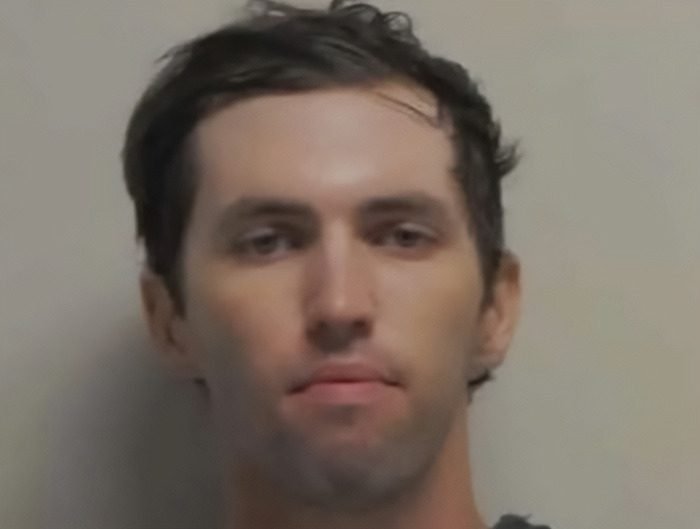
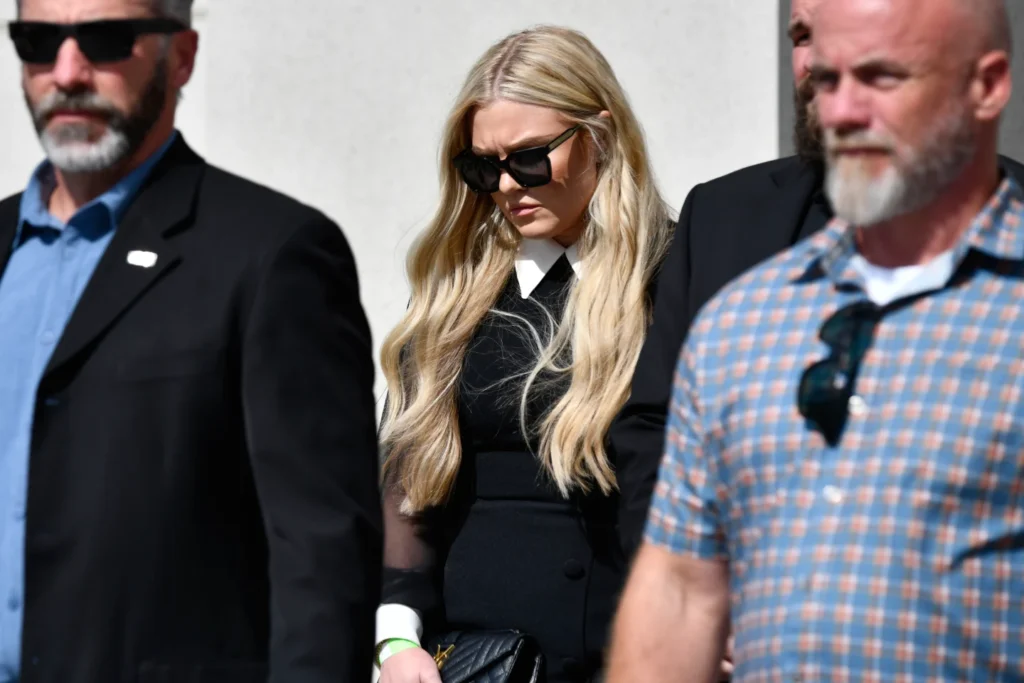
The hearing’s evidentiary phase wrapped on July 10, with an emotional final day: prosecutors played surveillance footage showing Robinson’s movements on campus, and courtroom observers described Kirk’s mother and widow, Erika Kirk, embracing and crying as it played, while Robinson set down his pen and looked away.
No ruling was issued. Judge Graf granted both sides the opportunity to file post-hearing briefs, and the case has been continued to September 1, 2026, for final arguments. Only then will Graf decide whether prosecutors have cleared the probable cause threshold needed to send the case to trial.
Robinson remains in custody, held without bail on the aggravated murder charge and the six additional counts against him. He has not entered a plea. No trial date exists. Whatever happens next in State of Utah v. Tyler James Robinson is, for now, still weeks away.