
A woman brought her sister a bowl of stew made from the deer they’d just hit with a car. A man tried to storm out of the courtroom and walked straight into a locked door. And in one episode that took four years to fully unravel, the entire case turned out to be fake.

“Judge Judy” ran for 25 seasons for a reason. Judy Sheindlin didn’t just rule on small claims disputes, she turned them into television, and some of her cases are still being clipped, quoted, and argued about online years later.
Here are ten of the moments that made viewers gasp, laugh, or both.
What Made These Cases So Memorable
The cases below stand out for different reasons. Some involve genuinely strange facts, like a plaintiff who cooked and served the animal her sister’s car had just struck. Others are memorable because of how Judy Sheindlin handled a defendant who clearly thought they could talk their way around her. One case is notorious simply because it wasn’t real at all.
1. The Case That Turned Out to Be Completely Fake

In February 2010, a young woman named Kate Levitt sued her housemate, Jonathan Coward, claiming he’d gotten drunk, smashed two televisions, and killed her cat in the process. Judy ruled in Levitt’s favor and awarded her $1,000.
There was just one problem. The cat hadn’t died. There had been no fight, no broken TVs, nothing.
Four years later, in a 2014 interview with Vice, Coward admitted that he, Levitt, and two friends had invented the entire dispute after hearing that “Judge Judy” covers settlements out of its own production budget, win or lose. He told Vice he’d been paid a $250 appearance fee, and the group got a free trip to Los Angeles out of the stunt. It remains one of the clearest documented examples of contestants gaming a televised courtroom show for a payout and a free vacation.
2. Rigor Mortis Stew

Few cases have produced a phrase as strange as this one. A woman named Carol Dettenheim borrowed her sister’s car, hit a deer, and instead of just dealing with the damage, brought the deer home and cooked it.
Her idea of making things right was offering her sister a bowl of the resulting stew. Her sister’s response in court that she wasn’t interested in eating “rigor mortis stew” became one of the show’s most quoted lines.
3. The Tupperware Assault

Plaintiff Karina Roy told Judy Sheindlin that her former landlord had assaulted her by throwing an entire collection of Tupperware containers at her, not just one or two pieces. When Judy, skeptical, pushed back on the claim, Roy didn’t just repeat it. She acted it out, complete with sound effects and gestures, in the middle of the courtroom.
The demonstration is still circulated as one of the more theatrical moments in the show’s run, and it’s a good example of how much a case’s tone can shift once a witness starts performing rather than testifying.
4. Suing a Grieving Mother

Not every entry on this list is funny. In one widely discussed case, plaintiff Wendy Moore sued Nelda Bailey after Bailey’s daughter died in a crash involving Moore’s car. The daughter had been given the keys by Moore’s own unlicensed son.
Judy was openly critical of Moore for pursuing damages from a mother who had just lost a child, especially given her son’s role in how the car ended up in the wrong hands. Moore never offered any condolences during the exchange. It’s remembered less for being entertaining and more for showing how far a small claims dispute can drift from anything resembling fairness.
5. “This Is My Episode”

A 21-year-old defendant named Danny Gonzales told Judy he already had ten children, then made an inappropriate joke involving her own daughter. Judy didn’t raise her voice.
She didn’t need to. She calmly laid out exactly how unimpressed she was, and the reaction from the studio audience said the rest. It’s a good illustration of why some of Judy’s most-remembered moments involve her staying quiet rather than yelling.
6. “You Are a Moron”

Defendant Cathleen Kreftmeyer had told her young daughter that the child’s father might not actually be her biological father, without any evidence to support the claim. Judy, who spent years on the family court bench before television, did not hold back.
The case is frequently cited as an example of Judy applying her long-standing rule that parents “have to love your children more than you hate each other,” and of what happens in her courtroom when someone clearly ignores it.
7. Push, Not Pull
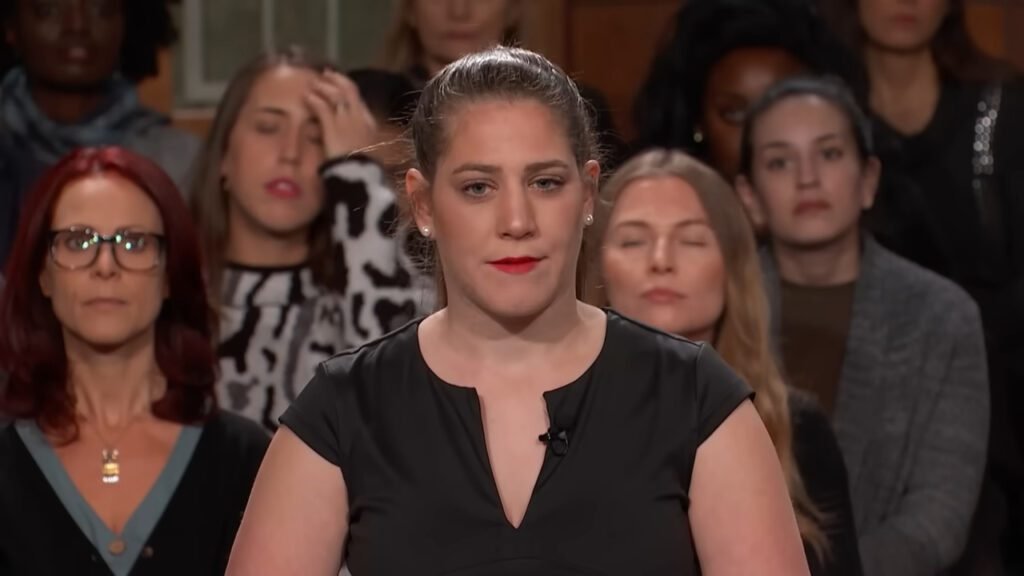
Getting removed from Judge Judy’s courtroom is embarrassing enough. One defendant made it worse by talking back on the way out, then trying to storm through the exit doors, which didn’t budge because he was pulling instead of pushing.
The clip has circulated widely because the humiliation happens in real time, with the bailiff’s instruction to simply push captured on camera.
8. Doused With Boiling Water
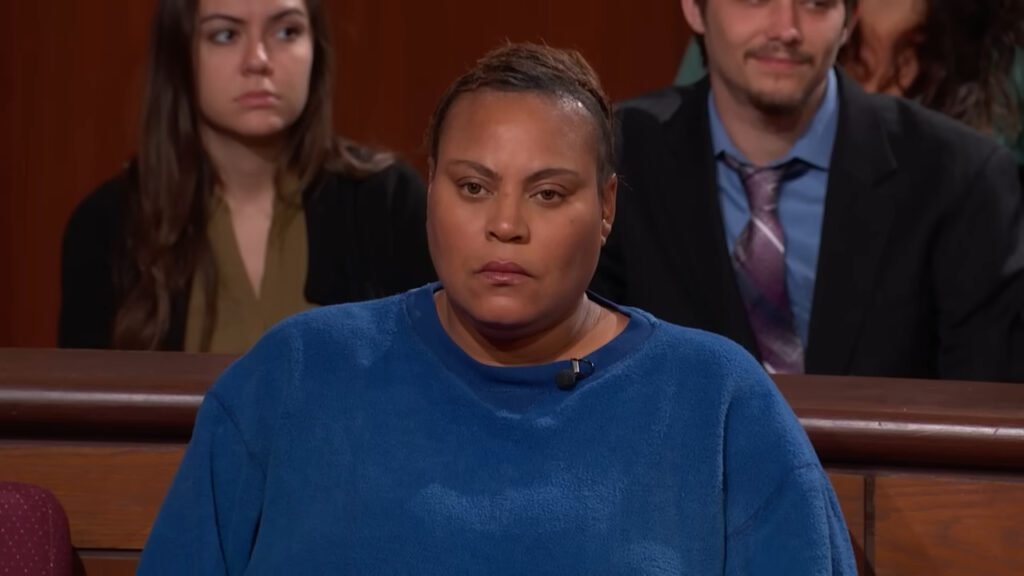
Plaintiff Kyley Jones told the court her former roommate had thrown boiling water on her while she slept. The case grew stranger as Jones insisted the responding police officer wasn’t legitimate, and the underlying police and medical reports pointed to a more complicated situation involving substance abuse.
It’s one of the rare cases where Judy’s usual sharpness gave way to visible sympathy, and it’s remembered as one of the more genuinely upsetting stories the show ever aired rather than a purely entertaining one.
9. The Dog That Decided the Case

A plaintiff claimed his poodle had been stolen and sold to the defendant without his knowledge. Rather than rule purely on paperwork, Judy had the dog brought directly into the courtroom.
When the witness let go of the leash, the dog ran straight to the plaintiff. Judy took that as answer enough. It’s one of the few cases where the deciding evidence wasn’t a receipt or a text message, but an animal’s own behavior.
10. The Adult Novelty Business
A plaintiff who ran an adult novelty party business sued over a list of personal items she said the defendant had kept without paying. The list itself, read aloud in court, was long enough that both Judy and her longtime bailiff, Petri Hawkins-Byrd, struggled to keep a straight face.
The case escalated further when it came out that one returned item hadn’t exactly been returned in new condition. It remains one of the more talked-about examples of just how far outside typical small claims territory the show’s cases could wander.
Is Judge Judy’s Courtroom Real?
The litigants and their disputes are real people with real conflicts, but the show operates as binding arbitration rather than an actual small claims court. Both sides agree in advance to accept Judy’s ruling, and the production company, not the losing party, pays out the judgment. That structure is part of why a handful of participants, like the pair behind the fake cat case, have been able to treat an appearance as a payday rather than a genuine legal dispute.
Why These Cases Still Get Watched
None of these ten cases involve enormous sums of money. Most of the judgments landed in the hundreds or low thousands of dollars. What keeps people coming back to them is the same thing that made the show work for 25 years: ordinary disputes, told by people who often had no idea how they’d come across, decided by a judge with zero patience for nonsense.

That combination doesn’t really exist anywhere else in television, which is probably why clips from a show that ended its original run years ago are still getting passed around today.
Frequently Asked Questions
Is Judge Judy’s courtroom real?
The people and disputes are genuine, and the ruling is legally binding under arbitration agreements both parties sign beforehand. However, the production company covers the judgement, not the losing litigant, which sets it apart from an actual small claims courtroom.
What was the most shocking Judge Judy case?
Accounts vary depending on personal taste, but the 2010 case involving a supposedly smashed TV and a dead cat is among the most notorious, mainly because it took four years for the plaintiff and defendant to admit the entire story was invented.
Are Judge Judy’s rulings legally binding?
Yes. Litigants sign arbitration agreements before their case airs, which makes Judy’s decision final and enforceable, similar to any other binding arbitration outcome.
Did any Judge Judy cases turn out to be fake?
At least one confirmed case did. In 2014, two of the participants in a 2010 episode told Vice they had fabricated a dispute over a smashed television and a supposedly dead cat to get a settlement and a trip to Los Angeles.
Why did Judge Judy become so popular?
Her background as a Manhattan family court judge gave her rulings real credibility, and her blunt, no-patience courtroom style set her apart from softer daytime programming, which helped the show dominate syndicated ratings for years.
Conclusion
What ties these ten cases together isn’t the size of the judgments. It’s the sheer range of human behavior Judy Sheindlin had to referee, from a sister offering deer-meat stew as an apology to a plaintiff faking her own cat’s death for a free trip to Los Angeles. Some of these moments are funny because the stakes were small and the reactions were huge. Others are memorable because they weren’t funny at all. Either way, they’re a big part of why people are still watching clips from a show that stopped filming new episodes years ago.