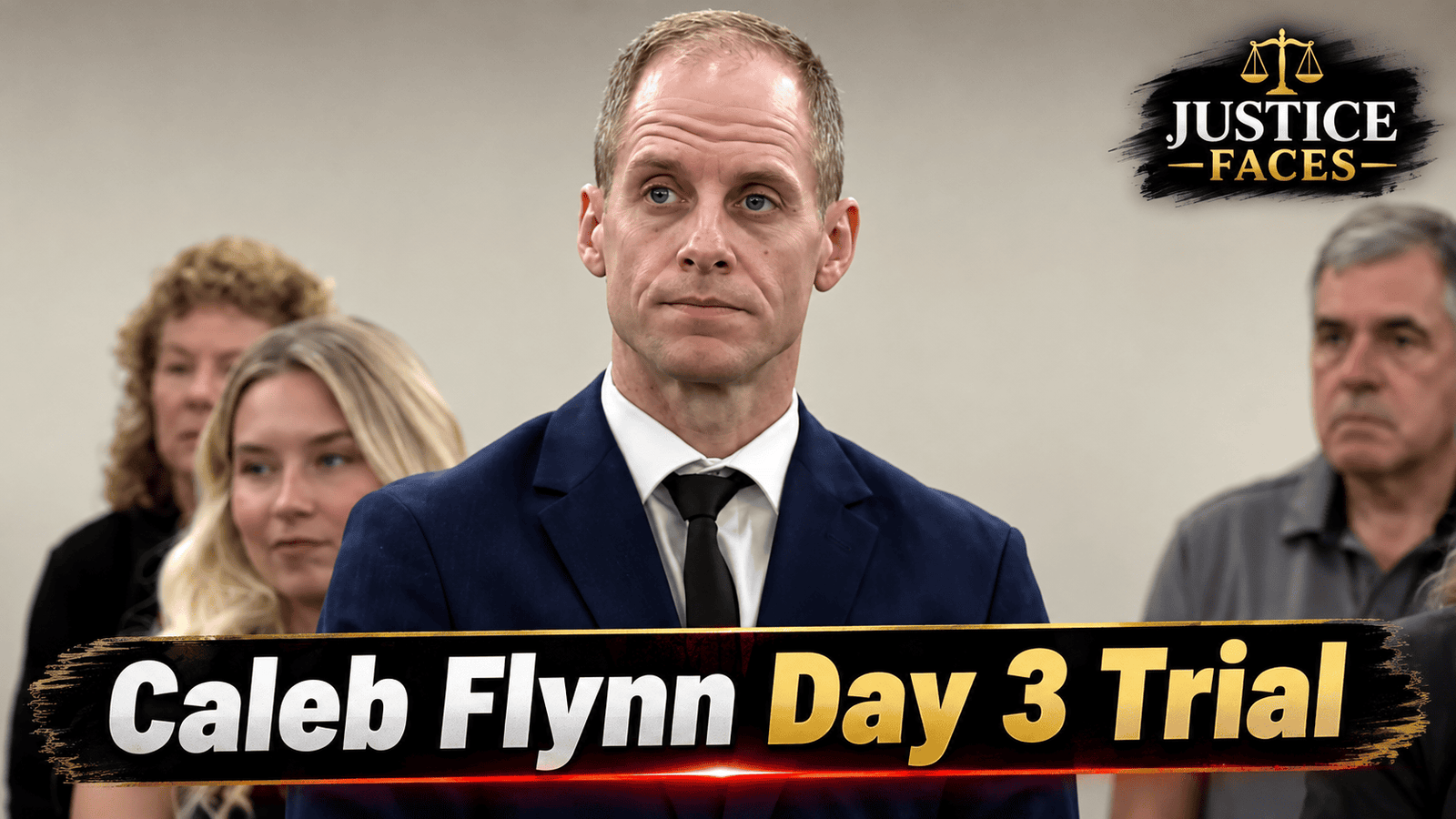
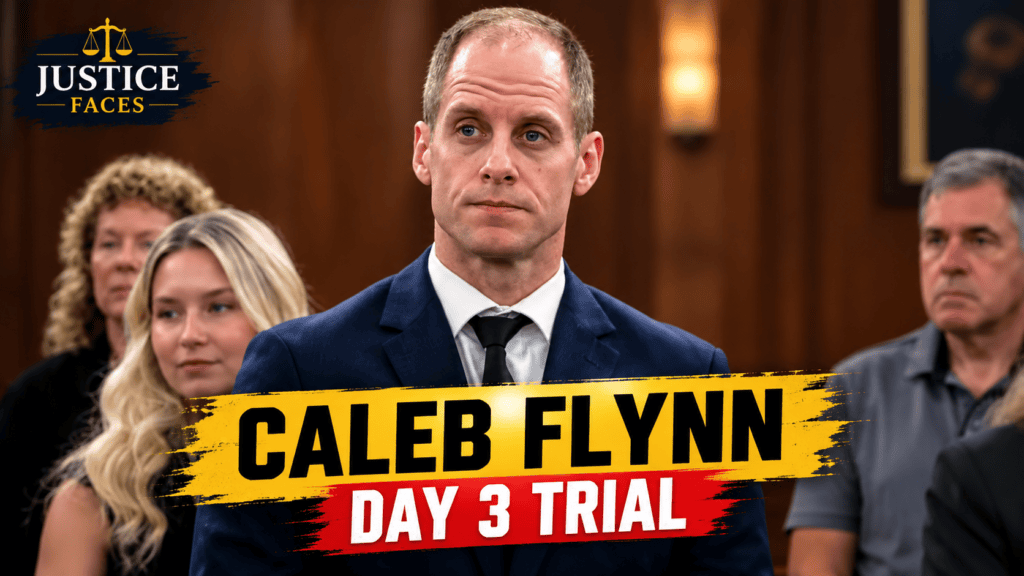
Investigators who processed the Tipp City home where Ashley Flynn was killed told jurors on the third day of her husband’s murder trial that the evidence at the scene did not support his account of a break-in. A state crime scene technician said the damage to a side garage door looked nothing like the forced entries she has documented in other burglaries. A veteran agent with the Ohio Bureau of Criminal Investigation went further, telling the courtroom that after spending twelve hours combing through the house, his conclusion was that the killing had been staged to look like something it was not.
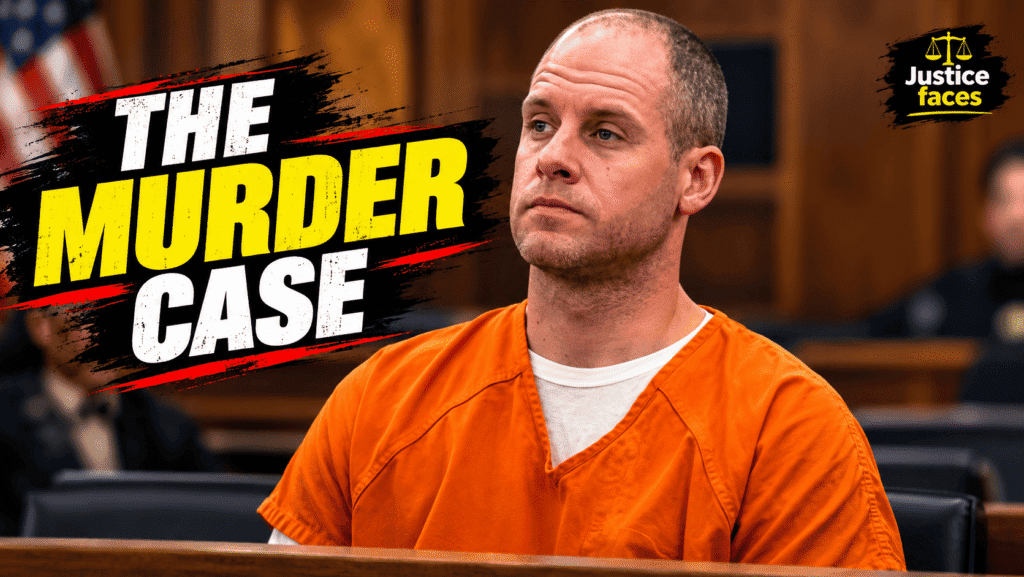
The day also brought the case’s most difficult moment so far. A forensic pathologist walked the jury through the autopsy of Ashley Flynn, describing two gunshot wounds to the back of her head. Caleb Flynn, a former music pastor and one-time “American Idol” contestant, grew visibly emotional as the photos were shown. Later, Ashley’s parents took the stand to describe their daughter and, in the case of her mother, subtle tension in the marriage that surfaced in the months before her death.
Case Background
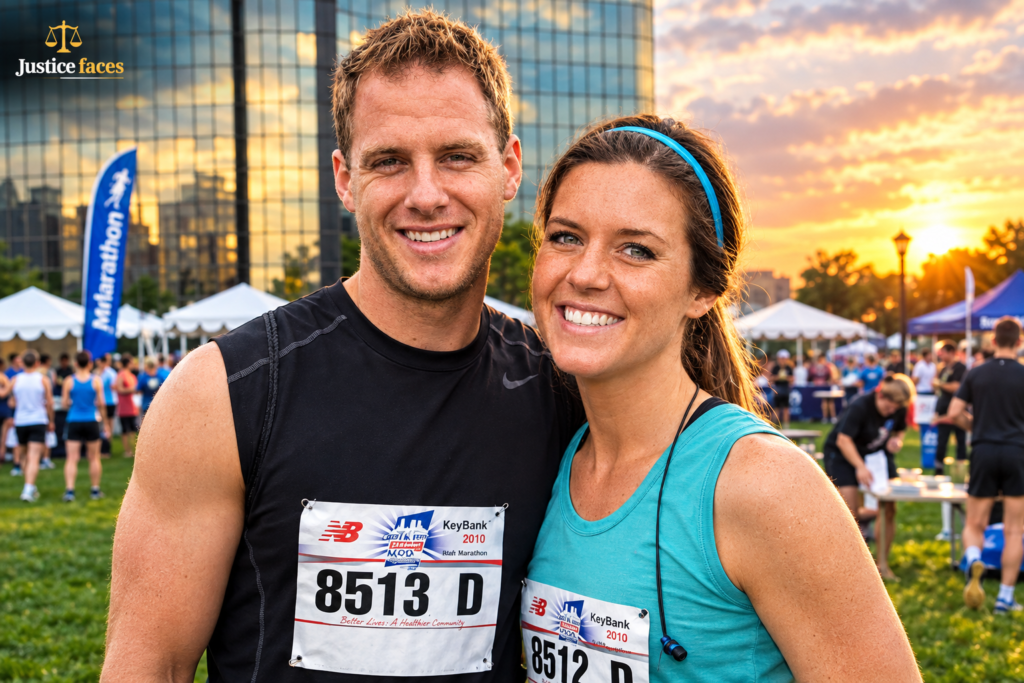
Caleb Flynn, 39, is charged in Miami County Common Pleas Court with aggravated murder, murder, felonious assault, tampering with evidence, and witness intimidation in the killing of his wife, Ashley Flynn, 37. Ashley coached volleyball and worked in education. The couple had two children together.
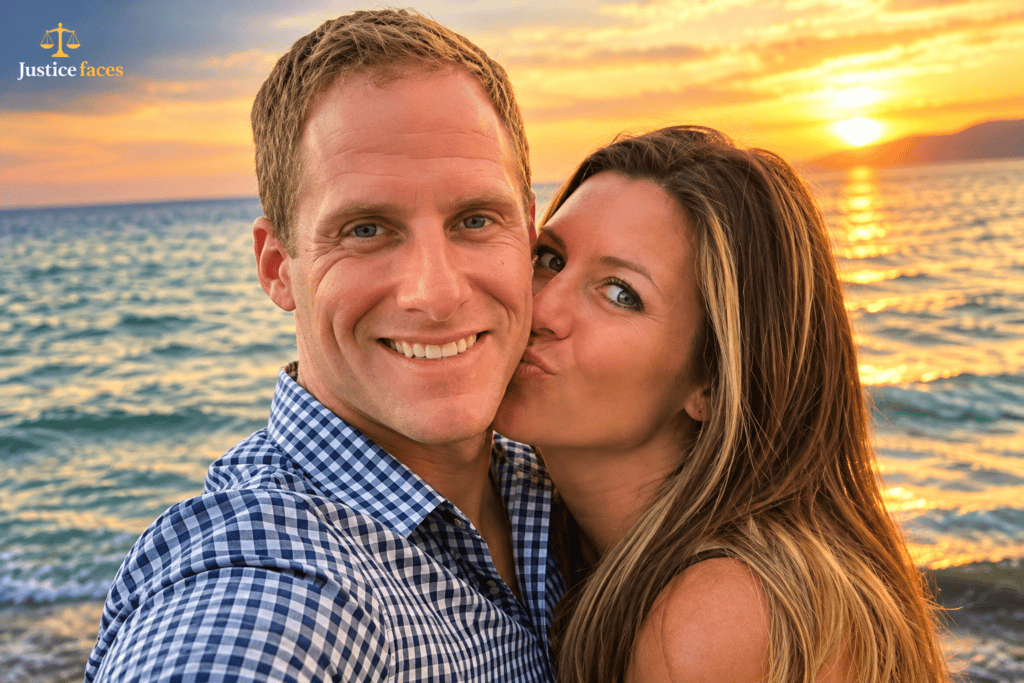
Police responded to a 911 call around 2:30 a.m. on February 16, 2026, from the family’s Tipp City home. Caleb told dispatchers that his wife had been shot and that he believed an intruder had broken in through a side garage door. Prosecutors allege instead that Caleb shot Ashley with a 9mm handgun while she slept and then altered the scene to make it look like a home invasion.
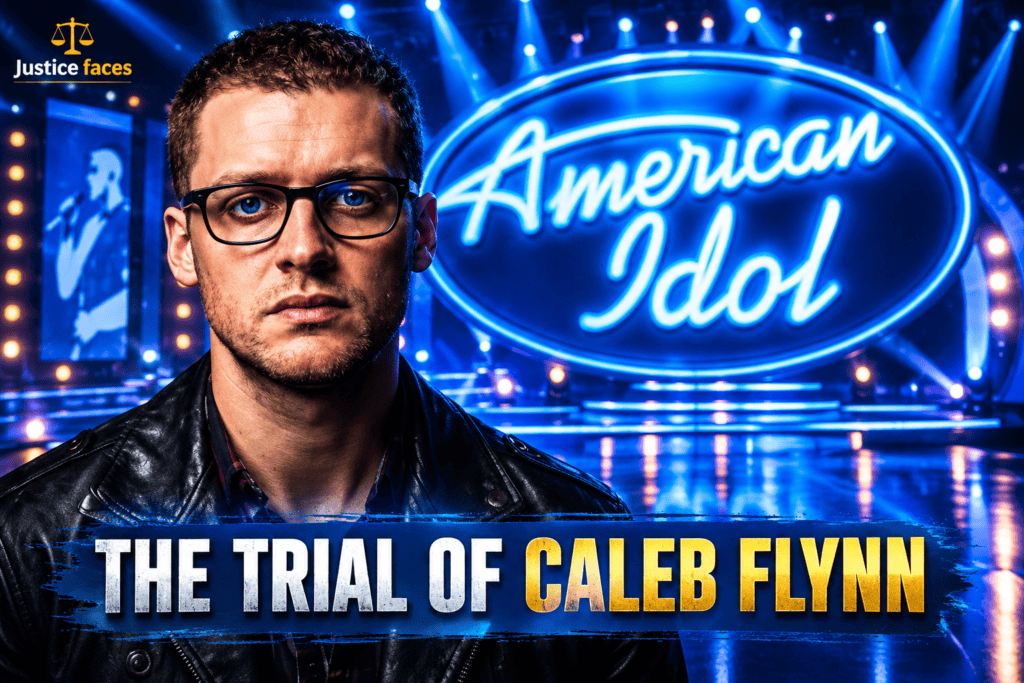
Judge Jeannine Pratt is presiding over the trial. The case has drawn national attention in part because of Flynn’s public profile as a Season 12 contestant on “American Idol” and his role as a worship leader at Christian Life Center in Dayton.
What Happened During the Hearing
Day 3 built on testimony from the trial’s opening days, when jurors heard the 911 call, viewed body camera footage, and toured the scene. This session shifted from first responders to the forensic and investigative witnesses whose findings sit at the center of the prosecution’s case.
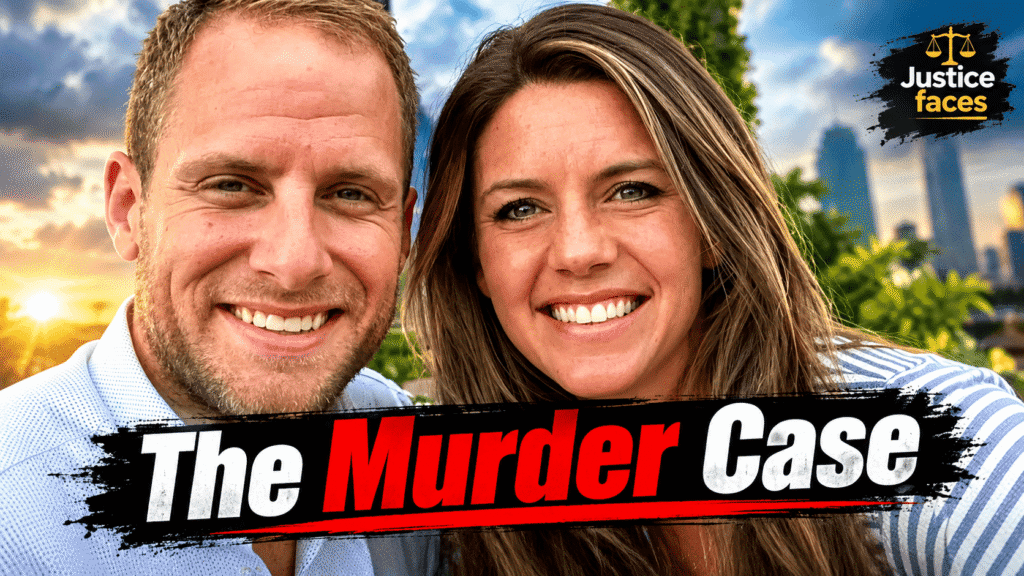
The morning centered on the physical evidence collected at the house: how it was gathered, what it showed, and how investigators interpreted the point of entry Flynn described. The afternoon turned to the medical evidence, and later, to the people who knew Ashley best.
Key Testimony and Evidence
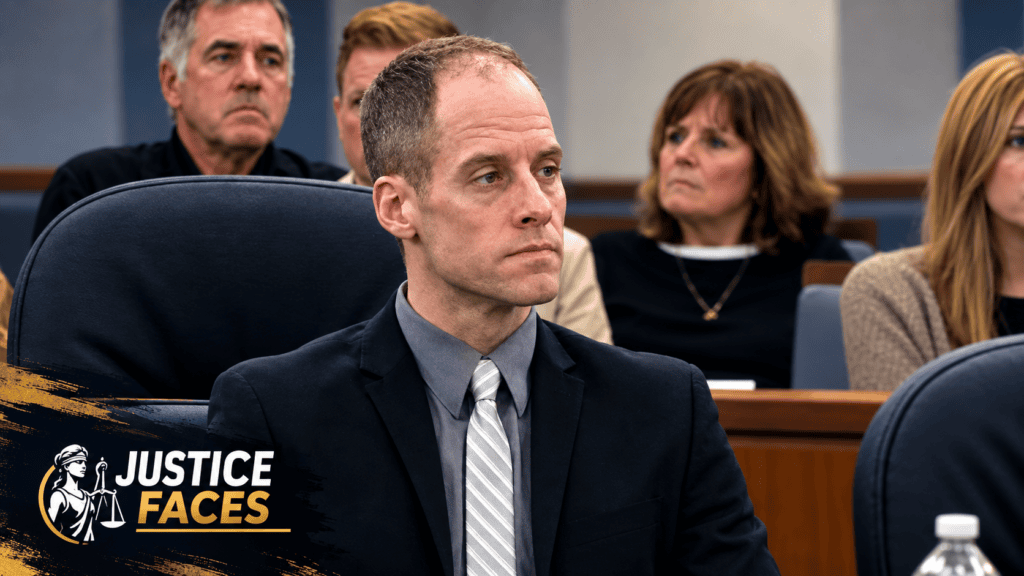
Special Agent David Hammond, Ohio Bureau of Criminal Investigation. Hammond, an 18-year veteran of the agency, spent roughly twelve hours processing the Flynn home. He testified that the damage to the north wall garage side door was inconsistent with forced entries he has seen in hundreds of residential burglary cases. There was no indication, he said, that the door had been kicked in or forced open the way a genuine break-in typically leaves behind. He also described Ashley Flynn’s position in bed as consistent with someone who was shot while asleep, with no physical signs of a struggle. Asked for his conclusion at the end of the examination, Hammond testified: “My concern at the end of the scene examination was that this was a homicide and it was staged as a burglary.”
Holly Ryczek, Ohio BCI Crime Scene Technician. Ryczek processed crime scene photographs and blood spatter evidence found on the bedroom lampshade and walls. She also documented the recovery of ballistic material, including a bullet jacket, bone fragments, and two cartridge casings bearing a WCC03 headstamp. Like Hammond, she testified that the garage door damage did not match what she has observed in other forced-entry cases.
Dr. Bryan Casto, Deputy Coroner and Forensic Pathologist, Montgomery County Coroner’s Office. Casto performed Ashley Flynn’s autopsy and testified that she suffered two overlapping gunshot wounds to the back right side of her head, behind her right ear. He confirmed the cause of death as multiple gunshot wounds to the head. The overlapping nature of the wounds pointed to a close-range shooting, though he could not establish an exact distance because there was no soot or stippling visible on the skin, something he attributed to the thickness of her hair obscuring any minor markings. Flynn became visibly emotional in the courtroom as autopsy photographs were displayed to the jury.
Todd and Jill Smith, Ashley’s parents. Todd Smith testified about his long history with Caleb, whom he knew from college and had employed in the family business. Jill Smith described her daughter as her best friend and spoke about subtle strain she had noticed between Ashley and Caleb in the months before the killing.
Capt. Tony Smith, Tipp City Police Department. Capt. Smith detailed the financial side of the investigation, testifying that Caleb held a $100,000 life insurance policy on Ashley with himself listed as the sole beneficiary. He also referenced the couple’s joint savings account, which held more than $84,000, along with their shared credit accounts.
Prosecution’s Argument
Prosecutors argue that the crime scene was staged, pointing to Hammond’s and Ryczek’s testimony that the garage door damage did not resemble a genuine forced entry. They contend that Ashley was shot while asleep, a detail they say is supported by the absence of any evidence of a struggle at the scene and by Dr. Casto’s autopsy findings.
Beyond the forensic evidence, prosecutors have pointed to a financial motive, citing the $100,000 life insurance policy naming Caleb as sole beneficiary, and to text messages allegedly sent by Caleb to a woman with whom he was having an affair, including one message referencing thoughts of killing Ashley without facing legal consequences. Those messages were introduced earlier in the trial and form part of the broader narrative prosecutors have built around motive.
Defense’s Argument
The defense maintains that Caleb Flynn was asleep on the couch after feeling ill, heard noises, and discovered that an intruder had broken in and killed his wife. On the forensic evidence, the defense has pointed to the absence of fingerprint matches on the garage door handle and has argued that investigators cannot definitively establish when the doors were locked or unlocked that night.
On the ballistics evidence, the defense notes that the murder weapon has not been recovered and that no gunshot residue test or definitive distance measurement was possible because of the hair obstruction Dr. Casto described. Regarding the affair and the texts prosecutors have highlighted, the defense argues that infidelity does not establish murder and that the messages should be understood in their emotional context rather than as evidence of a plan.
Judge’s Role and Key Statements
The supplied trial material does not include specific rulings, objections, or remarks from Judge Pratt during this portion of testimony. Any account of her demeanor or reactions during Day 3 would go beyond what has been documented here, so none is offered. What is established is that she is presiding over the case in Miami County Common Pleas Court.
The Most Important Moments From Day 3
An Agent’s Twelve-Hour Conclusion
Hammond’s testimony carried particular weight because of both his experience and the length of his examination. His statement that his overriding concern was that the scene had been staged is, at this point, the most direct assessment jurors have heard from a state investigator.
A Door That Didn’t Match the Story
Ryczek’s comparison of the garage door damage to hundreds of other forced-entry cases she has documented gave jurors a concrete benchmark for evaluating Flynn’s account. Her conclusion echoed Hammond’s, reinforcing the prosecution’s theory from two separate witnesses.
The Autopsy Photos
The most emotionally charged moment of the day came when Dr. Casto’s testimony was accompanied by autopsy photographs. Flynn’s visible reaction, according to the material provided, became a notable part of the courtroom record for that session.
A Mother’s Observation of Strain
Jill Smith’s account of subtle tension between her daughter and son-in-law in the months before the killing added a personal, less clinical dimension to a day otherwise dominated by forensic detail.
Legal Issues Explained
Aggravated murder is the most serious homicide charge under Ohio law and generally involves a killing carried out with prior calculation and design, meaning the state must show the act was planned rather than impulsive. Felonious assault and tampering with evidence are separate charges that can apply alongside a murder charge, with the tampering count centered on allegations that evidence or the scene itself was altered after the fact.
Testimony describing a scene as “staged” is significant because it speaks directly to the tampering and premeditation elements of the case, not just to who caused Ashley Flynn’s death. At the same time, staging testimony is an expert opinion, not an automatic finding of fact. It is the jury’s role to weigh Hammond’s and Ryczek’s conclusions against the defense’s counterpoints before reaching any verdict.
What Happens Next
The supplied material does not indicate what testimony or evidence is scheduled beyond Day 3. Any next steps in the trial are not addressed here and should not be assumed.
Current Case Status
Caleb Flynn has been charged with aggravated murder, murder, felonious assault, tampering with evidence, and witness intimidation. He has not been convicted of any charge. The trial is ongoing, and the prosecution’s presentation of evidence, including the testimony described above, remains subject to cross-examination and to the defense’s own case.
Frequently Asked Questions
What is the Caleb Flynn case about? Caleb Flynn, a former “American Idol” contestant and music pastor, is on trial in Miami County, Ohio, accused of killing his wife, Ashley Flynn, and staging the scene to look like a burglary.
What happened on Day 3 of the trial? Jurors heard from a BCI special agent and crime scene technician who both testified that the garage door damage did not match a genuine forced entry, followed by autopsy testimony from a forensic pathologist and testimony from Ashley’s parents and a Tipp City police captain.
Did investigators find evidence of a break-in? According to the testimony described here, both the BCI special agent and the crime scene technician said the damage to the garage door was inconsistent with forced entries they had documented in other cases.
How was Ashley Flynn killed? The forensic pathologist testified that she suffered two overlapping gunshot wounds to the back of her head and that the injuries were consistent with a close-range shooting, though an exact distance could not be determined.
What motive have prosecutors presented? Prosecutors have pointed to a $100,000 life insurance policy naming Caleb as sole beneficiary and to text messages allegedly tied to an extramarital affair.
What is the defense’s explanation? The defense says Caleb was asleep on the couch, heard noises, and found that an intruder had broken in and killed his wife, and argues the forensic evidence does not rule that out.
Has Caleb Flynn been convicted? No. He has pleaded not guilty and the trial is ongoing. He has not been convicted of any of the charges against him.
Who is the judge in the case? Judge Jeannine Pratt is presiding over the trial in Miami County Common Pleas Court.
Conclusion
Day 3 of Caleb Flynn’s trial put the state’s forensic case on full display, from a veteran agent’s conclusion that the scene had been staged to an autopsy that offered jurors a clinical account of how Ashley Flynn died. It also brought her family into the courtroom to describe her in more human terms than the forensic testimony allowed. What the day did not resolve is the central question the jury will eventually have to answer: whether the physical evidence supports the prosecution’s theory of a staged burglary, or whether the doubts the defense has raised about fingerprints, the missing weapon, and the limits of the forensic testing are enough to prevent that conclusion. The trial continues, and both sides have more of their case still to present.